Three things Gen Z love about Hong Kong

Hong Kong is loved by almost everyone who’s lucky enough to explore it – locals and visitors alike. It’s a bucket list destination for many, offering innovative gastronomy, authentic cultural experiences, and all the energy and convenience you’d expect from a bustling city.

If you’re seeking new ways to explore Hong Kong, look to Gen Z. This group is clued up when it comes to the next best thing in travel, and they know exactly how to experience the heart and soul of a place through the latest trends.

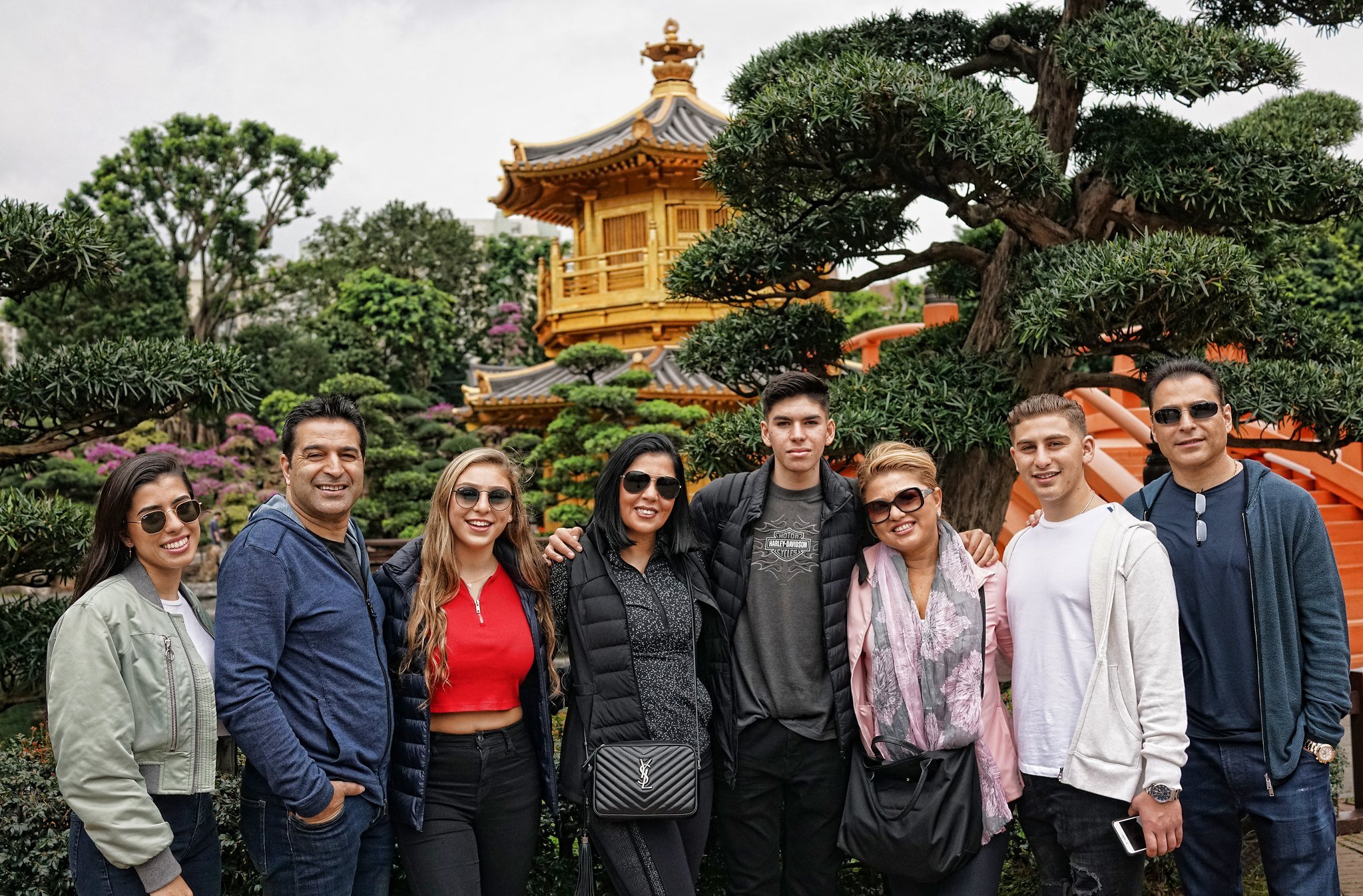
No matter your generation, location, or reason for visiting, use these three Gen Z-approved trends to inspire your trip to Hong Kong.

Photo: unsplash

Unique foodie experiences

According to a Skyscanner survey, 61% of Gen Z found food to be the most important factor when picking a holiday destination. So if you’re visiting Hong Kong for the first time, you’ll want to have authentic culinary experiences.

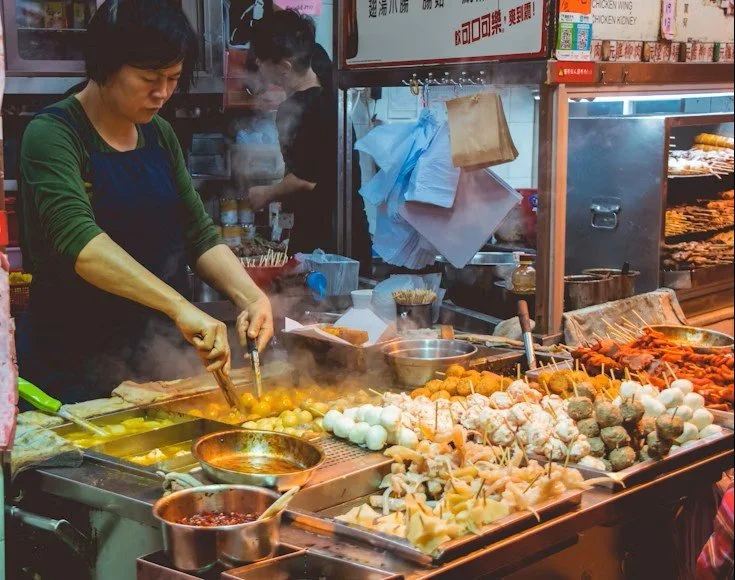
Eat at a cha chaan teng

A cha chaan teng is a type of local diner that serves quick meals in a casual setting. Despite the speed of service and the no-frills approach, the food at a cha chaan teng is no less delicious than the dishes you’ll find at other restaurants, which is why you’ll find lots of locals dining there. Experiencing one will give you a taste of everyday life in Hong Kong.

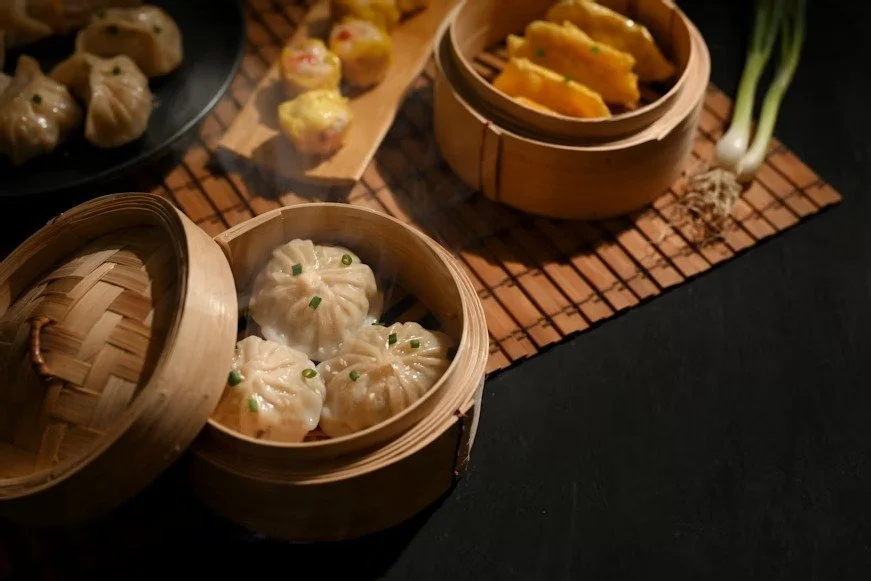
Enjoy dim sum during yum cha

Dim sum is a dish many of us are familiar with. Yum cha, on the other hand, which translates to “drink tea” in Cantonese, may be a new concept to tourists.

Yum cha is the name given to the social activity of eating dim sum, drinking tea, and enjoying a variety of other treats and snacks together. It’s a tradition usually enjoyed for breakfast or lunch, and is a must-have experience if you’re a fan of Cantonese dim sum.

Photo: Unsplash

Abundance of green spaces

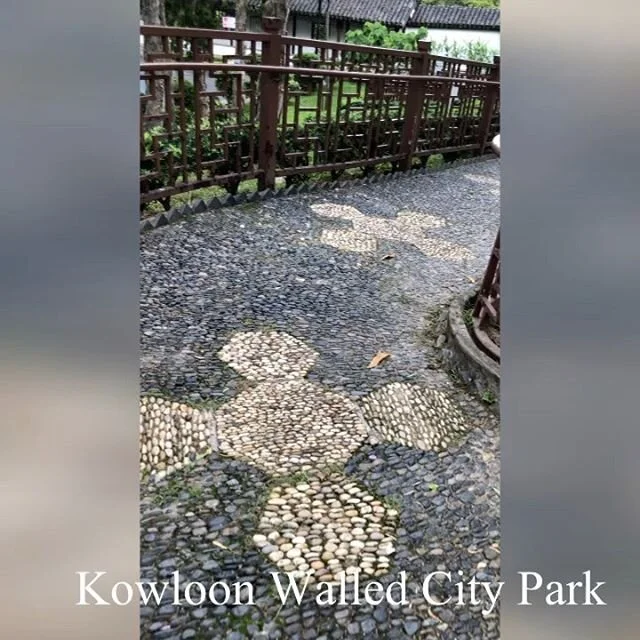
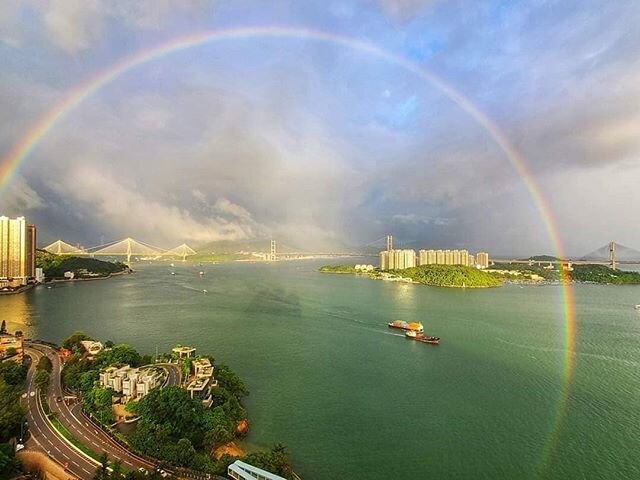
Over 40% of the total land area of Hong Kong is dedicated to nature conservation, recreation and education. This includes 25 country parks comprising hills, forests, reservoirs and coastline, all of which can be explored by visitors.

For eco enthusiasts, these parks offer a more sustainable way to enjoy Hong Kong – so long as eco-friendly exploration guidelines are followed. With 59% of travellers surveyed saying that they love visiting gardens while on holiday (according to Skyscanner’s report), Hong Kong is likely to feature at the top of many Gen Zers’ bucket lists.

Immersive cultural activities

Above all else, Gen Z love immersing themselves in authentic cultural experiences while they’re abroad. In Hong Kong, it’s easy to jump right in and feel a part of everyday life in the city.

Explore the big landmarks – like Ten Thousand Buddhas Monastery and the Tian Tan Buddha – and then make some time to do simple everyday things, like visiting independent shops, grocery shopping at local markets, and navigating the city via the Central-Mid-Levels escalator. Gen Zers want their travel experiences to mean something, and experiencing the city just as the locals do is a great way to have authentic experiences.

No matter how you choose to spend your time in Hong Kong, you’ll leave with lasting memories and a deep love for the city

How to Spot an Exceptional Local Tour Guide in Hong Kong (2026)

Hong Kong is a city defined by its dualities. It is a place where glass-and-steel skyscrapers loom over 19th-century temples, and where the frantic energy of a wet market exists just steps away from luxury boutiques. It’s a "vertical city" that rewards those who look up, down, and around the corner. However, for many travelers, the sheer scale and pace of Hong Kong can be overwhelming, leaving them wondering if they’ve only scratched the surface of this Fragrant Harbour.

To truly "get" this city, you need more than a GPS; you need a guide who acts as a bridge between the neon-lit modernity and the ancient Cantonese traditions that still dictate daily life. If you're looking for an authentic experience that goes beyond the typical Star Ferry ride, here are the traits of a top-tier Hong Kong expert.

1. Storytelling (Not Just Statistics)

In Hong Kong, every street corner has a story—from the colonial remnants in Central to the incense-filled halls of Man Mo Temple. An exceptional guide moves beyond dry facts. They weave together the city's roots and its modern dynamics into a narrative that sticks with you long after the tour ends.

2. A "Brave Culinary Explorer" Spirit

A guide who only takes you to the famous "Michelin" spots is missing half the fun. A great local guide is someone who introduces you to the comfort of a perfect Hong Kong-style French toast or the best wonton noodles in a hidden Sham Shui Po alleyway. They know the food is the soul of the city.

3. Agility in the "Vertical City"

Hong Kong is busy, steep, and sometimes unpredictable. A great guide is a master of the "pivot." If the Peak Tram queue is an hour long, they know the secret bus route that offers even better views. They keep the logistics seamless so you can focus on the sights, not the stress.

4. Authenticity and Local Warmth

The best guides are ambassadors for their home. They aren't afraid to share their personal anecdotes or their favorite neighborhood hangouts. That warmth turns a "tour" into a genuine cultural exchange. It’s about feeling like you’re exploring the city with a savvy friend who wants you to love Hong Kong as much as they do.

The Heartbeat of the City

Hong Kong is a city that never stands still, and its best guides are those who can keep up with its pulse while helping you find moments of stillness and wonder. When you find a guide who can navigate the crowds, order the perfect dim sum, and explain the nuance of Feng Shui in a modern skyscraper, you’ve found more than a service—you’ve found the key to the city.

Hello! Hong Kong Tours Tour guide

Discover the Real Hong Kong Ready to dive into the vibrant streets of the Fragrant Harbour? Our team of local experts is waiting to show you the hidden gems and iconic landmarks that make this city so special. Let’s make your Hong Kong story an unforgettable one.

Private vs Small Group Tours in Hong Kong : Which Is Better?

When planning your trip, you may also wonder whether a private tour or small group tour is the better option.

Both offer great experiences — but they suit different travel styles.

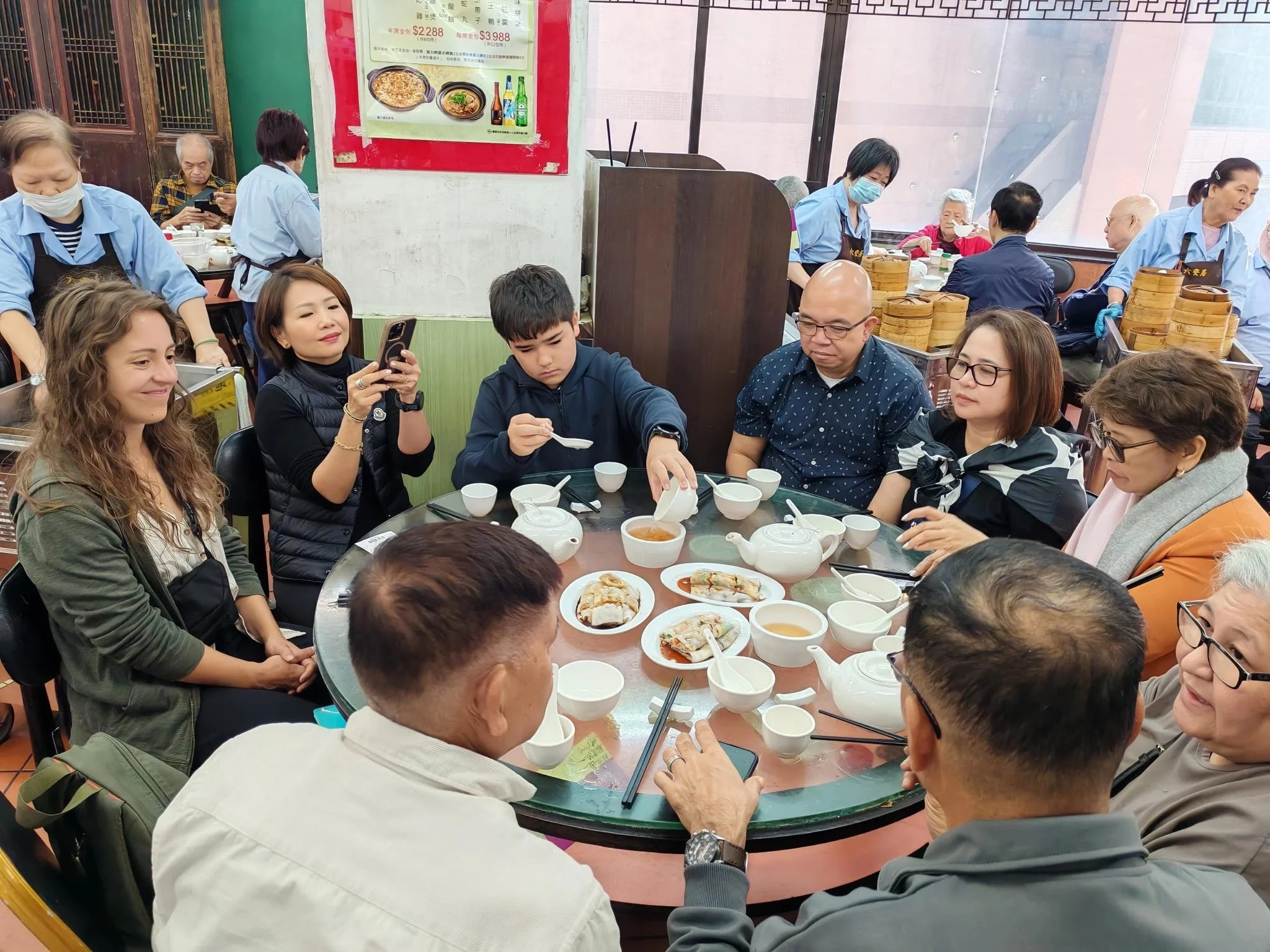
Small Group Hong Kong island food tour guests excited to dive in on their first food stop at Lin Heung Kui

A private tour gives you full flexibility. The itinerary adjusts to your interests, your energy level, and your schedule. It feels personal and relaxed.

A small group tour, on the other hand, offers:

  • A lower price point

  • A social atmosphere

  • A fixed but well-planned route

  • The chance to meet fellow travelers

In Hong Kong, where districts are more spread out and transport logistics can be more complex, some travelers prefer the customization of a private experience.

Ultimately, the best choice depends on what kind of traveler you are.

If you enjoy meeting new people and following a structured schedule, small group tours are fantastic.

If you prefer flexibility, deeper conversations, and a personalized experience, private tours are the way to go.

Affordable Art Fair Hong Kong 2026: Contemporary Art, Global Dialogue, and the MESSAGE Collection by Walerij Baranow

Affordable Art Fair Hong Kong 2026: Contemporary Art, Global Dialogue, and the MESSAGE Collection by Walerij Baranow

AI-generated image provided by PRNEWS OÜ

A Major Cultural Event in Asia

Affordable Art Fair Hong Kong 2026 once again positions itself as one of the most significant and accessible contemporary art events in Asia. Over the years, it has transformed from a conventional art fair into a vibrant cultural platform where artistic diversity, market accessibility, and meaningful dialogue coexist.

The fair is designed not only for experienced collectors but also for those who are just beginning their journey into the world of contemporary art. Its atmosphere removes the traditional barriers often associated with art fairs, replacing exclusivity with openness and engagement.

Dates, Venue, and International Scope

The 2026 edition will take place from 14 to 17 May at the renowned Hong Kong Convention and Exhibition Centre (HKCEC), one of the most important exhibition venues in the region.

More than one hundred galleries from across Asia, Europe, and the Americas will participate, presenting a wide range of artistic perspectives. This strong international presence highlights Hong Kong’s role as a key intersection point between Eastern and Western art markets.

Art Without Barriers: The Core Philosophy

What makes Affordable Art Fair Hong Kong stand out is its commitment to accessibility.

The fair operates with a clear intention: to make contemporary art understandable and approachable. Visitors are encouraged to interact with galleries, ask questions, and explore artworks freely, without the sense of pressure that often accompanies high-end art environments.

Transparent pricing plays a central role in this philosophy, allowing visitors to engage with the idea of collecting without uncertainty. This approach creates a more inclusive environment where art becomes part of everyday life rather than a distant luxury.

Diversity of Artistic Expression

The fair presents a broad spectrum of contemporary art forms, ensuring that it reflects the complexity of today’s creative landscape.

Among the featured mediums:

  • Painting in both abstract and figurative styles

  • Sculpture and spatial installations

  • Photography and mixed media works

  • Digital art and NFT-based projects

This diversity allows visitors to encounter different visual languages and artistic approaches, making the experience both dynamic and highly personal.

Emerging Asian Voices and Global Dialogue

A defining feature of the 2026 edition is its strong focus on emerging Asian artists.

Specially curated sections will introduce new talents whose work reflects the evolving identity of the region. These artists are not only shaping local art scenes but are also gaining increasing recognition on the global stage.

Hong Kong, as a cultural bridge, provides the perfect context for this dialogue. The fair brings together regional narratives and international perspectives, creating a space where different artistic traditions and contemporary ideas intersect.

Beyond the Exhibition: Programs and Experiences

Affordable Art Fair Hong Kong goes beyond static display. Its program is designed to create a deeper connection between the audience and the artistic process.

Visitors will have access to:

  • Guided tours led by art professionals

  • Live demonstrations revealing artistic techniques

  • Panel discussions exploring current cultural topics

  • Educational workshops focused on collecting and market understanding

These elements transform the fair into an interactive environment where learning and discovery are as important as acquisition.

A Decade of Influence

Since its launch in 2013, Affordable Art Fair Hong Kong has played a crucial role in shaping the contemporary art landscape in Asia.

It has contributed to the development of a new generation of collectors, while also providing a platform for emerging artists and galleries to gain visibility. Its continued growth reflects both the increasing interest in contemporary art and Hong Kong’s position as a global cultural center.  

Special Highlight: The MESSAGE Collection by Walerij Baranow

Within this multifaceted environment, Art Expo World presents a significant highlight of the 2026 edition — the introduction of the limited collection “MESSAGE” by Walerij Baranow.

This project adds a distinct conceptual layer to the fair, shifting the focus from external observation to internal perception.

The Artist: Between Material and Meaning

Walerij Baranow is known for his ability to merge physical materials with philosophical depth.

His artistic practice is built on the idea that art should not only be seen but experienced as a state of awareness. Rather than creating purely visual compositions, Baranow constructs works that function as points of reflection.

His approach challenges the viewer to slow down, to step away from passive viewing, and to engage with the artwork on a deeper level.

What is MESSAGE

The MESSAGE collection consists of one hundred unique works, each created as an independent art object.

These pieces move beyond the traditional definition of painting. Each work combines a three-dimensional structure with painted imagery on a wooden surface, forming a complex interaction between form, texture, and visual symbol.

Baranow describes this approach as a dialogue between volume and plane — where physical presence and visual representation coexist within a single object.

Material Language and Symbolism

Every element within the MESSAGE collection carries conceptual significance.

  • Wood serves as a foundation, evoking memory, origin, and a sense of timelessness

  • Textured materials create a tangible presence, interacting with light and space

  • Gold elements function not as decoration, but as a metaphor for inner clarity and awareness

This combination produces an effect that cannot be fully experienced digitally. The works require physical presence, inviting the viewer into a direct encounter.

A Response to Contemporary Reality

The MESSAGE collection reflects the conditions of modern life.

In a world defined by constant information flow, digital noise, and fragmented attention, Baranow’s works offer an alternative experience. They create a moment of stillness — a space where attention can stabilize.

Rather than reacting to external stimuli, the viewer is invited to reconnect with a more focused and conscious state of perception.

A Collection for Contemporary Collectors

With only one hundred pieces available, the MESSAGE collection is intentionally limited.

Each work is created individually, without repetition or mass production. This makes every piece unique not only visually but also in terms of its conceptual presence.

For collectors, acquiring a work from this series is not simply an aesthetic choice. It represents the integration of an object that carries both material and philosophical value — a point of reference within everyday space.

MESSAGE Within the Context of the Fair

Within the dynamic and visually насыщенной атмосфере ярмарки, the MESSAGE collection introduces a contrasting experience.

While the fair itself emphasizes diversity, movement, and discovery, Baranow’s works bring focus, silence, and depth. This contrast highlights the broader potential of contemporary art — its ability to operate on multiple levels simultaneously.

Conclusion

Affordable Art Fair Hong Kong 2026 continues to redefine how contemporary art is presented and experienced.

It is not only a marketplace but a cultural environment where accessibility, education, and artistic innovation come together.

Within this context, the MESSAGE collection by Walerij Baranow stands as a powerful reminder that art is not limited to visual experience. It is a tool for perception, reflection, and awareness — something that remains with the viewer long after leaving the exhibition space.


Hello Hong Kong
Hong Kong Art Month in March: Best Places to See Street Art and Local Creativity

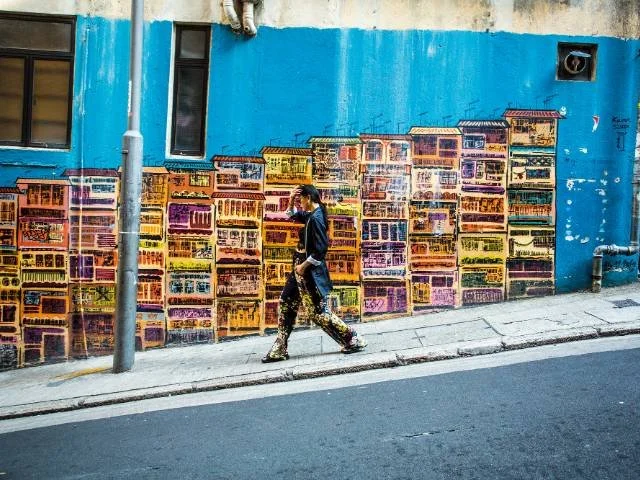
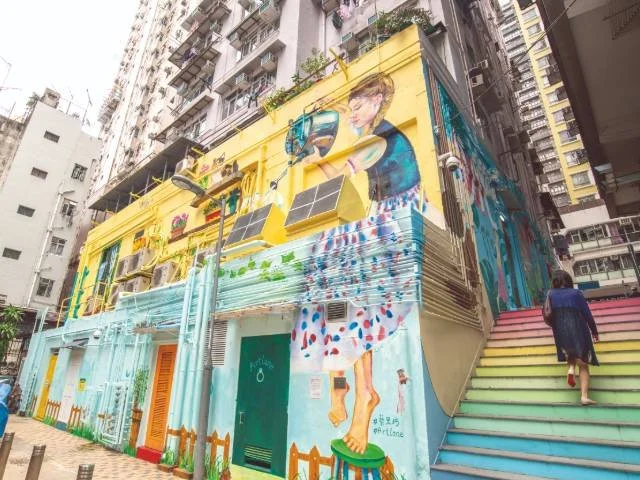
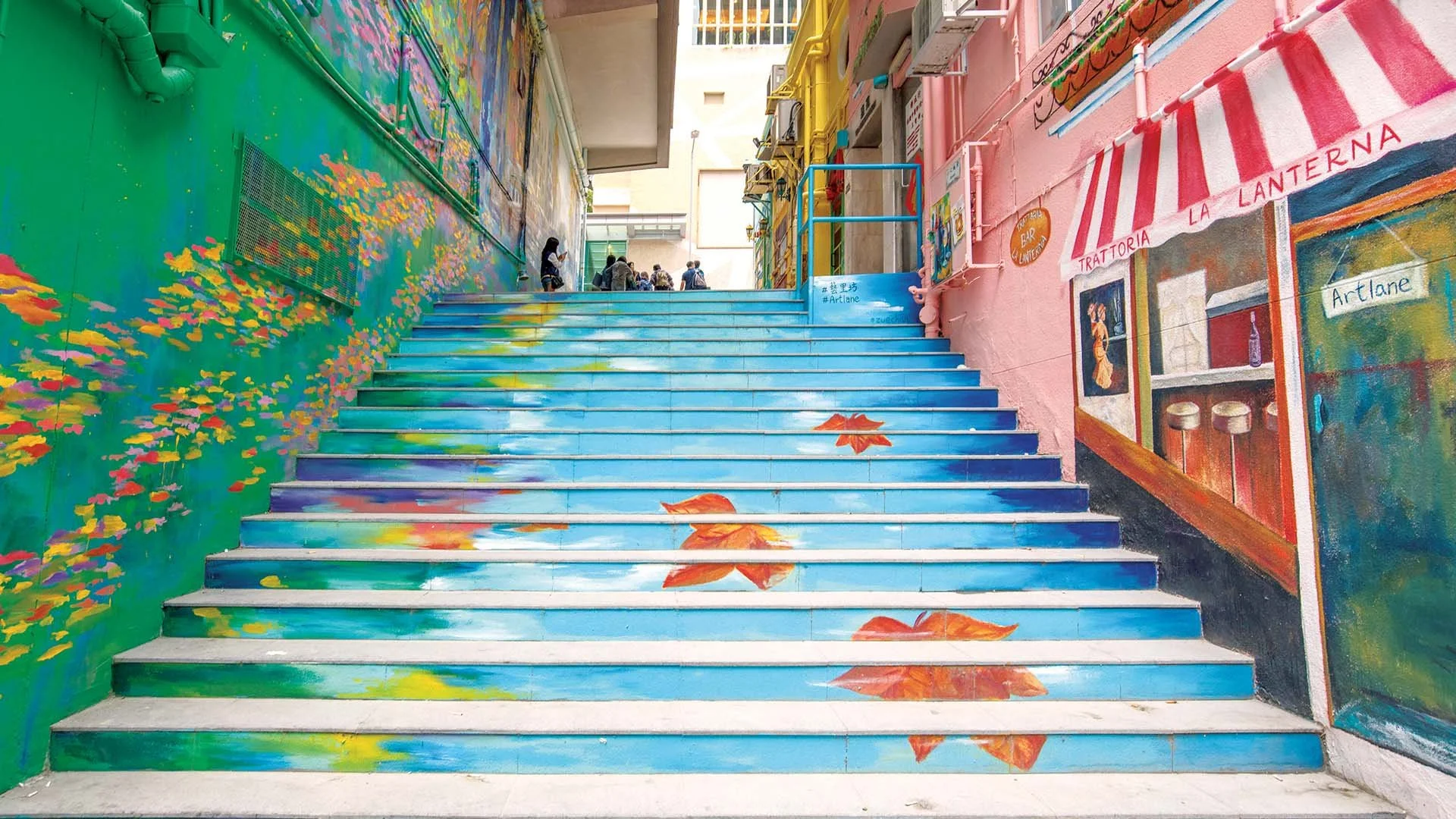
Every March, Hong Kong comes alive with color, creativity, and culture as the city celebrates Art Month. For art lovers visiting during this exciting time, March is one of the best months to explore Hong Kong beyond the usual attractions. International art fairs, local gallery exhibitions, creative pop-ups, and outdoor installations take place across the city. It is a season when global artists and homegrown talent share the spotlight, turning Hong Kong into one of Asia’s most exciting art destinations.

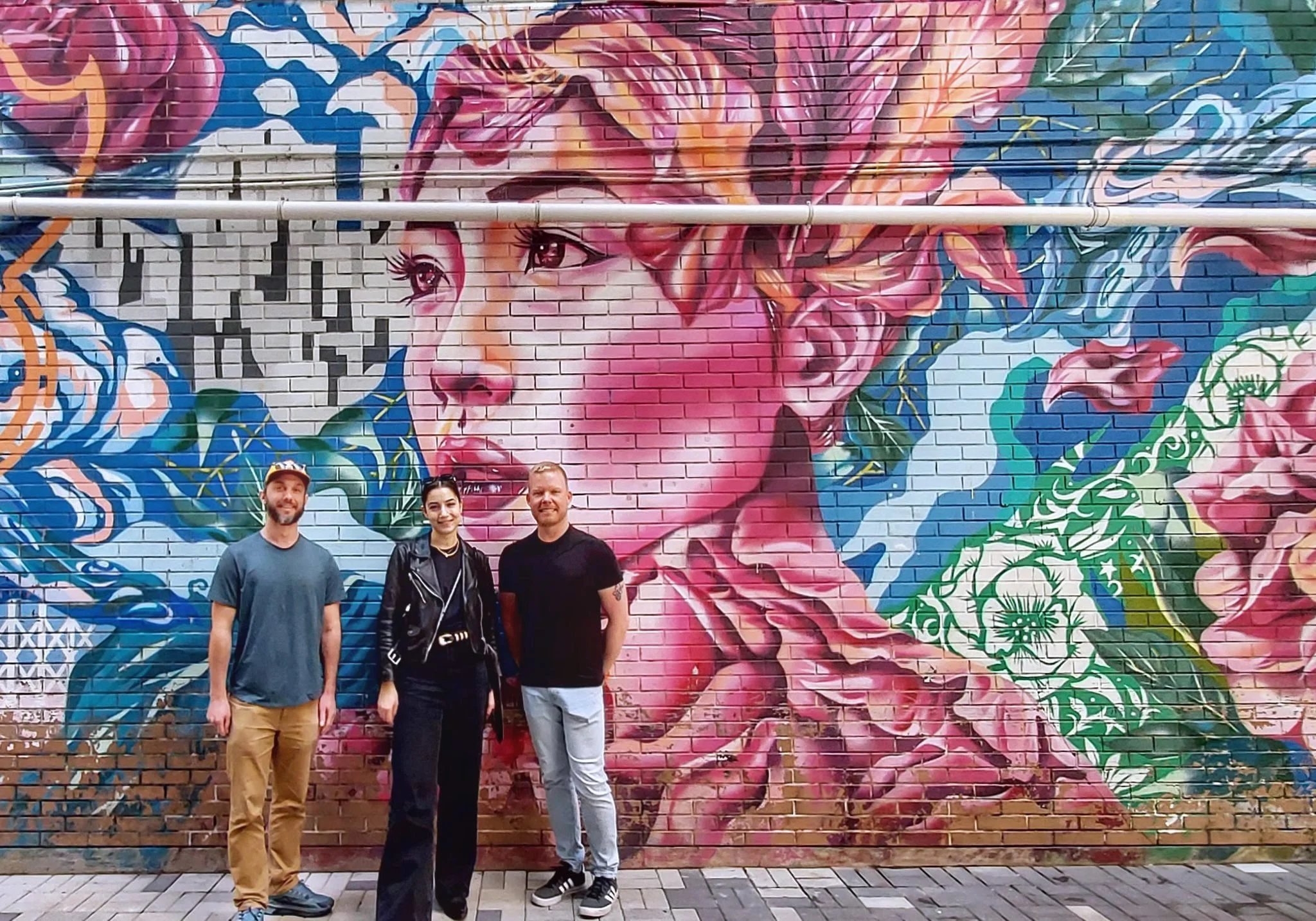
If you enjoy discovering art in everyday spaces, Hong Kong’s street art scene is a must-see. Neighborhoods like Sheung Wan are known for colorful murals, hidden alleyway paintings, and bold graffiti that reflect local culture and modern life. As you walk around Central and SoHo, you will notice creative works tucked between heritage buildings, cafés, and boutiques. These vibrant streets often become highlights of private customized tours, especially for visitors who want to add something unique and artistic to their Hong Kong to-do list.

Photo: Hong Kong Tourism Board

For a deeper cultural experience, visitors can explore creative hubs such as PMQ and Tai Kwun. Both spaces blend history with modern design, offering art exhibitions, design studios, and cultural programs throughout March. Whether you are visiting large-scale art events or simply wandering through artistic neighborhoods, Hong Kong Art Month offers a fresh and inspiring way to experience the city. For travelers who appreciate creativity, March in Hong Kong is truly an unforgettable time to visit.

Private Hong Kong Tours: Is It Worth It?

Hong Kong is energetic, layered, and wonderfully intense. Skyscrapers rise above traditional temples. Luxury malls sit beside wet markets. One moment you are in the financial heart of Asia, and the next you are surrounded by mountains and sea views.

Photo: Jamie Lloyd

Because the city moves fast, many travelers wonder if booking a private Hong Kong tour makes sense.

The truth is, Hong Kong is not difficult — but it can be overwhelming.

Exploring districts like Central and Kowloon, riding up to Victoria Peak, or visiting heritage sites like Man Mo Temple can easily fill your entire day. Without careful planning, you may spend more time navigating than experiencing.

A private Hong Kong tour helps everything flow smoothly.

Instead of worrying about transport routes or long queues, you focus on enjoying the city. Your guide explains how Hong Kong evolved from a fishing village into a global financial hub, how East meets West here, and how Cantonese traditions still shape daily life.

Why Travelers Choose a Private Hong Kong Tour

Private Hong Kong tours are ideal because they provide:

  • A flexible pace in a fast-moving city

  • Customized experiences (food, history, markets, skyline views)

  • Efficient route planning across different districts

  • Access to hidden local neighborhoods

Many visitors only see the skyline and major shopping areas. But Hong Kong’s true character lies in its local streets, dai pai dongs, small temples, and community markets. A private guide brings these stories to life.

What About the Cost?

Yes, private tours are more expensive than group tours. However, what you receive in return is:

  • Personal storytelling

  • Freedom from rigid schedules

  • Better time management

  • A more relaxed experience

For first-time visitors, cruise passengers, families, and travelers with limited time, a private Hong Kong tour often becomes the highlight of the trip.

Final Thoughts

Hong Kong rewards curious travelers. The more you understand it, the more you appreciate it.

If you want depth, comfort, and a meaningful connection with the city, a private Hong Kong tour is truly worth it.

Cheung Chau Island Guide: A Perfect Day Trip

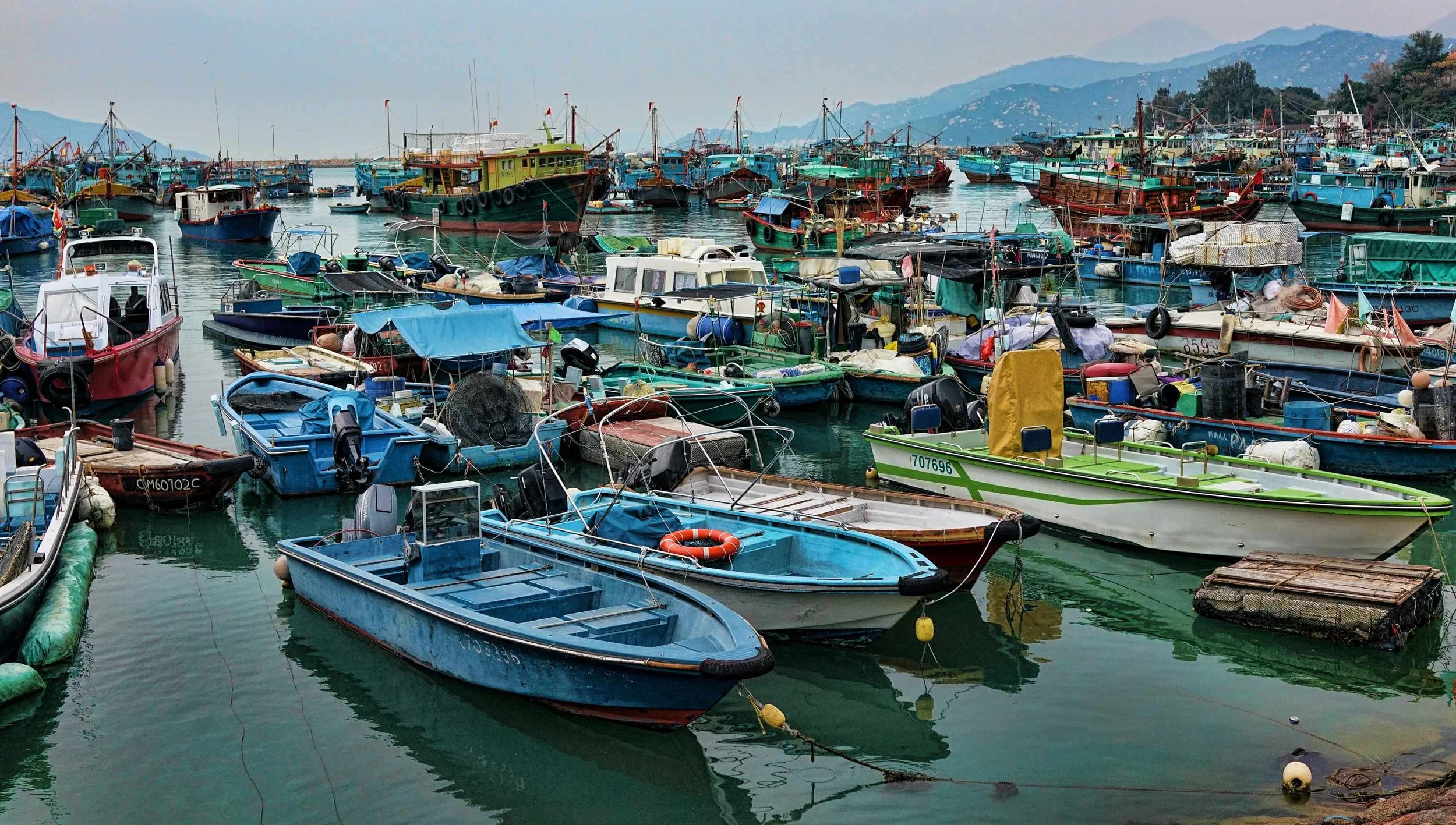
If you think Hong Kong is only about skyscrapers, shopping malls, and busy streets, Cheung Chau Island will surprise you. Just a short ferry ride from Central, this small fishing island feels like stepping into a different world. The moment you arrive, you’ll notice there are no cars, only bicycles and narrow lanes filled with seafood aromas and local life. The ferry ride itself is part of the experience—watching the skyline slowly fade into open sea is the perfect way to begin your Cheung Chau Island day trip.

Photo: Jamie Lloyd, Flickr

Once you step off the pier, take your time exploring the village streets. You’ll find traditional bakeries selling the famous giant mango mochi, street stalls grilling fresh seafood, and family-run restaurants that have been here for generations. Walk a little further and you’ll reach Pak Tai Temple, a cultural landmark that reminds visitors of the island’s deep roots. If you’re feeling adventurous, follow the coastal trail to the Mini Great Wall, where ocean views and unique rock formations make you forget you’re still in Hong Kong.

Cheung Chau is also perfect for those who simply want to slow down. Tung Wan Beach is just minutes from the main pier, offering soft sand and calm waters during warmer months. You can relax by the sea, enjoy a late seafood lunch overlooking the water, or sit by the harbor watching fishing boats come and go. Unlike the fast pace of the city, time seems to move gently here, making it ideal for couples, families, and travelers looking for something more local and authentic.

A Cheung Chau Island day trip is more than just sightseeing—it’s about experiencing another side of Hong Kong. It shows you that beyond the skyline, there are quiet villages, scenic trails, and island traditions waiting to be discovered. If you want your Hong Kong adventure to feel complete, make space for Cheung Chau. It might just become your favorite memory of the city.

Celebrating the Second Day of Chinese New Year – 2026, Year of the Horse
Chinese New Year of the Horse

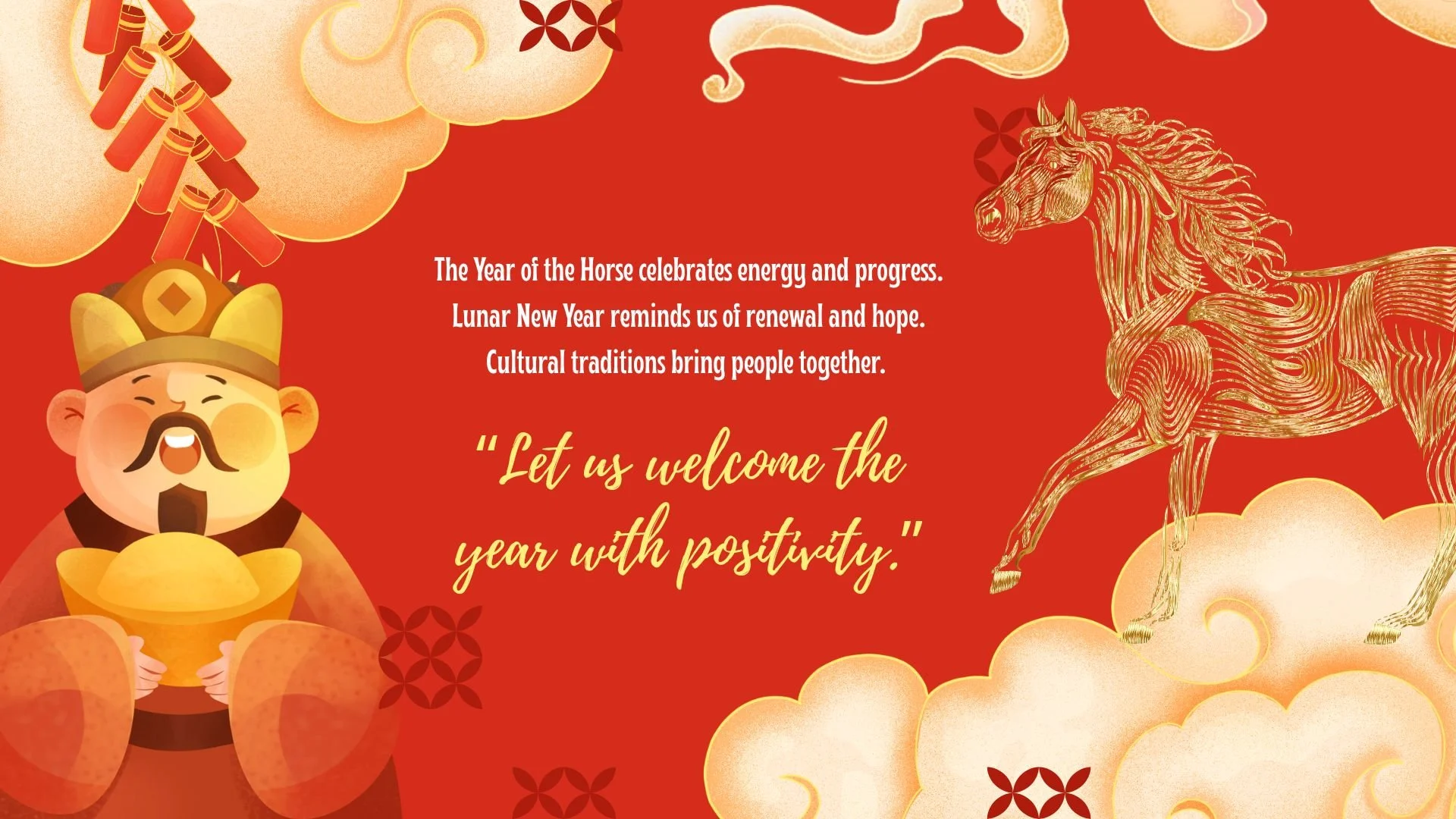
Today marks the second day of Chinese New Year, a day traditionally filled with family, visits, and good wishes. In 2026, we welcome the Year of the Horse, a symbol of energy, freedom, and success.

The second day is often called “Kai Nian” or the day when married daughters visit their parents and siblings. Families use this day to strengthen bonds, exchange blessings, and share festive meals. It’s also a day for prayers to the gods and ancestors, wishing for health, happiness, and prosperity in the new year.

Many families also follow traditions such as wearing red clothes for good luck, offering fresh fruits and sweets, and sometimes visiting friends or extended family. Firecrackers may also be set off in some areas to drive away bad luck and welcome good fortune.

For visitors, this is a wonderful day to experience the warmth of family gatherings, vibrant markets, and traditional rituals that make Chinese New Year celebrations so special.

Whether it’s sharing a meal, offering blessings, or just enjoying the lively atmosphere, the second day of Chinese New Year is all about family, fortune, and joy as the Year of the Horse gallops in with new opportunities.

A Practical Guide for Expats Living and Working in Hong Kong

Image by benzoix on Freepik

Hong Kong has long been one of the world’s most dynamic cities for international professionals. With its unique blend of East and West, low taxes, efficient public transport, and status as a global financial and business hub, it continues to attract expats from around the world. At the same time, relocating to Hong Kong involves adjustments, from navigating the job market to understanding local culture and living costs.

If you’re planning to live and work in Hong Kong in 2026, preparation and realistic expectations will help you make the most of the experience. This guide outlines what expats should know before and after arriving.

Why Hong Kong Still Attracts Expats

Despite global economic shifts, Hong Kong remains attractive for several reasons:

●       Strategic location in Asia with proximity to Mainland China and major regional markets
●       Simple tax system with relatively low personal income tax rates
●       Strong rule of law and business infrastructure
●       Efficient public services and transport
●       Vibrant international community

According to the Hong Kong Census and Statistics Department, the city remains one of Asia’s leading international business centers, with a high concentration of regional headquarters and offices for global firms. This sustains demand for skilled foreign professionals, particularly in finance, technology, legal services, and insurance.

Understanding the Job Market

Hong Kong’s job market is competitive but opportunity-rich for candidates with in-demand skills. Sectors that consistently hire international talent include:

●       Financial services and banking
●       Insurance and risk
●       Technology and digital transformation
●       Legal and compliance
●       Supply chain and logistics
●       Professional services

Language requirements depend on the role. Many multinational firms operate in English, but Cantonese or Mandarin can be a strong advantage, especially for client-facing positions.

Networking plays a major role in Hong Kong’s hiring culture. Many roles are filled through referrals or recruiters rather than public listings.

For expats exploring job opportunities and career support in Hong Kong’s competitive markets, organisations like Gravitas Recruitment Group, specialist recruiters connecting professionals with roles in tech, banking, and insurance across the city can be a valuable resource.

Work Visas and Legal Requirements

Most expats need an employment visa sponsored by a Hong Kong employer. The General Employment Policy (GEP) visa is the most common route for foreign professionals.

Key points:

●       You must have a confirmed job offer
●       Your skills should be relevant and not easily sourced locally
●       Employers typically handle the application
●       Processing usually takes a few weeks

Freelancing without proper visa status is not permitted, so ensure your paperwork is in order before working.

Cost of Living Realities

Hong Kong is known for its high cost of living, particularly housing. Rent is often the largest expense for expats.

Housing

●       Central areas (Central, Mid-Levels, Wan Chai) are convenient but expensive
●       New Territories offer more space at lower prices
●       Many expats consider serviced apartments initially

Daily Expenses

Dining out can range from affordable local eateries to high-end restaurants. Public transport, however, is relatively cheap and reliable.

Budgeting realistically before arrival reduces stress later.

Finding Accommodation

Apartments in Hong Kong are typically smaller than in many Western cities. It’s common for new arrivals to:

●       Stay in temporary housing first
●       View multiple flats before committing
●       Use a local agent (standard practice)
●       Expect to pay a deposit plus agent fees

Location should balance commute time, lifestyle, and budget.

Workplace Culture

Image by DC Studio on Freepik

Hong Kong work culture can be fast-paced and results-driven. While work-life balance is improving in some industries, long hours still exist in finance and professional services.

Common cultural points:

●       Punctuality is valued
●       Hierarchies can matter in traditional firms
●       Efficiency and responsiveness are appreciated
●       Business etiquette is generally formal but polite

Understanding these norms helps smoother integration.

Healthcare System

Hong Kong has a high-quality healthcare system with both public and private options.

●       Public hospitals are subsidized but can be busy
●       Private healthcare is faster but costly
●       Many employers provide medical insurance

Expats often choose private insurance for flexibility and shorter wait times.

Education for Families

For expats relocating with children, schooling is a key consideration.

Options include:

●       International schools (British, IB, American curricula)
●       English Schools Foundation (ESF) schools
●       Local schools (often Cantonese/Chinese-medium)

Competition for international school places can be strong, so early applications are recommended.

Social Life and Community

Hong Kong has a large expat community, making it easier to build social networks. Popular ways to meet people include:

●       Professional networking groups
●       Sports clubs and hiking groups
●       Industry events
●       Cultural and language exchanges

The city also offers easy access to nature, beaches, hiking trails, and outlying islands provide a break from urban density.

Cultural Adjustment

Culture shock is normal. Hong Kong blends Chinese traditions with international influences, but daily life may still feel different.

Things to note:

●       Apartments are compact
●       Pace of life is fast
●       Dining customs and holidays may differ
●       Direct communication styles vary by workplace

Approaching differences with curiosity helps adaptation.

Financial Planning

Opening a bank account is straightforward but requires documentation. Some banks request proof of address and employment.

The Mandatory Provident Fund (MPF) is Hong Kong’s retirement scheme. Both employer and employee contribute unless exemptions apply.

Tax filing is simple compared to many countries, but understanding obligations early prevents surprises.

Safety and Transport

Hong Kong consistently ranks as a safe city. Public transport is one of the world’s best, clean, efficient, and extensive. Many residents rely on MTR trains, buses, and minibuses instead of cars.

Octopus cards are widely used for transport and small payments.

Looking Ahead

Hong Kong continues evolving alongside regional and global trends. While challenges exist, including living costs and competitive markets, the city still offers strong career potential and cultural richness.

Success as an expat often comes down to preparation, flexibility, and realistic expectations. Those who plan well and stay open-minded often find Hong Kong rewarding both professionally and personally.

Living and working in Hong Kong can be a transformative experience. The city offers global career exposure, cultural diversity, and access to one of Asia’s most connected economies.

For expats willing to navigate its pace and costs, Hong Kong remains a city of opportunity. With careful planning around jobs, housing, and visas, the transition can be smooth and fulfilling.

The key is to arrive informed, stay adaptable, and actively build your network. Done right, an expat chapter in Hong Kong can be one of the most exciting periods of your career and life.

Hello Hong KongHello! Tours
Best Walking Tours in Hong Kong for 2026

Hong Kong is often described as fast, vertical, and intense — but the best way to really understand the city is on foot. Walking tours slow things down just enough for you to notice the details: the incense curling out of a neighbourhood temple, the rhythm of wet markets in the morning, or the quiet stories hidden behind neon-lit streets.

In 2026, walking tours remain one of the most meaningful ways to experience Hong Kong. They’re flexible, immersive, and perfect for travellers who want more than just photo stops. Below is a guide to some of the best types of walking tours in Hong Kong — and what you can expect from each.

Cultural & Neighbourhood Walking Tours

Hong Kong’s neighbourhoods each have their own personality. A good walking tour doesn’t try to cover everything — instead, it focuses on helping you understand how people live, work, and connect with their surroundings.

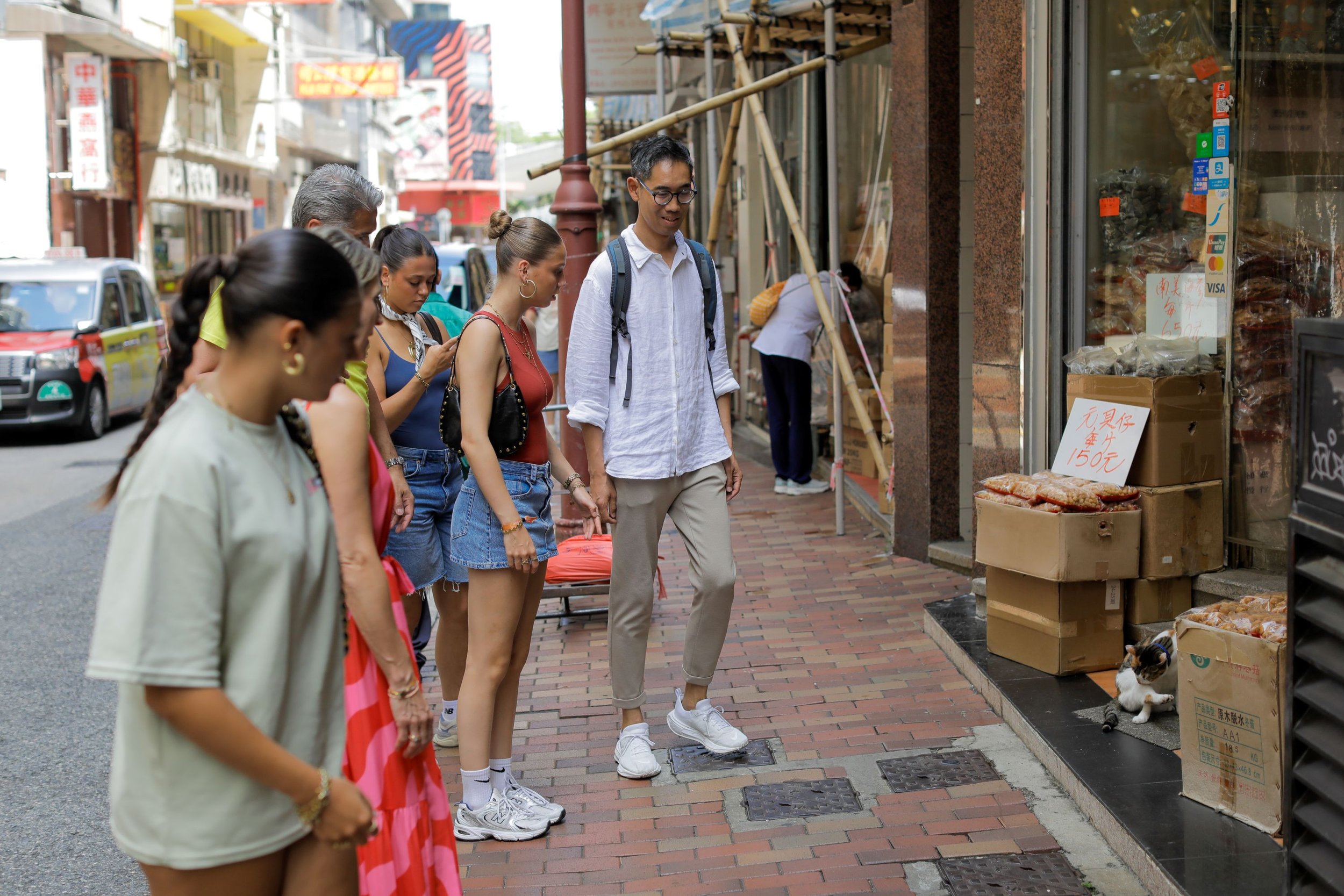
On a cultural walking tour, you might explore areas like Sheung Wan, Central, or older districts in Kowloon, where traditional shops sit beside modern cafés. Along the way, local guides often share stories about:

  • How Hong Kong developed from fishing villages into a global city

  • Daily life in dense urban neighbourhoods

  • Local customs, beliefs, and small traditions visitors often miss

These tours are ideal if it’s your first time in Hong Kong or if you want context behind what you’re seeing — not just landmarks, but lived-in spaces.

Food Walking Tours: Eating Your Way Through the City

Hong Kong is one of Asia’s great food cities, and walking food tours are a natural fit. Instead of chasing Michelin lists, food walks focus on everyday favourites — the dishes locals actually eat.

A typical food walking tour might include:

  • Small, family-run eateries

  • Street snacks and traditional desserts

  • Explanations of why certain foods matter culturally

Food tours in areas like Kowloon are especially popular because of the mix of local markets, old-style shops, and long-standing neighbourhood restaurants. You’re not just tasting food — you’re learning how migration, history, and culture shaped Hong Kong’s flavours.

For travellers who want something relaxed but deeply local, food walking tours are often a highlight.

Kowloon Walking Tours: A Different Side of Hong Kong

If Hong Kong Island feels polished and fast-paced, Kowloon offers a more grounded, everyday experience. Walking tours in Kowloon often explore districts like Mong Kok, Yau Ma Tei, or Sham Shui Po — places where daily life unfolds right on the street.

On a Kowloon walking tour, you may encounter:

  • Traditional wet markets and street stalls

  • Old residential buildings and local temples

  • Stories of post-war Hong Kong and working-class life

These tours are particularly well-suited for travellers who enjoy observing real neighbourhood life and understanding how communities have evolved over time.

Custom & Private Walking Tours

One of the biggest advantages of walking tours in Hong Kong is flexibility. Custom or private walking tours allow travellers to shape the experience around their interests and pace.

Custom walking tours are ideal if you:

  • Have limited time and want to focus on specific areas

  • Are travelling with family or in a small group

  • Want to mix food, culture, and sightseeing into one route

Rather than following a fixed script, these tours adapt to what you’re curious about — whether that’s local food, photography spots, history, or simply wandering with purpose.

Why Walking Tours Still Matter in 2026

With so much digital content available, walking tours remain relevant because they offer something screens can’t: human connection and real-time insight. Local guides bring personal stories, local perspectives, and up-to-date context that guidebooks often miss.

In a city that’s constantly changing, walking tours help travellers understand not just where Hong Kong has been — but where it’s heading.

Choosing the Right Walking Tour in Hong Kong

When looking for the best walking tours in Hong Kong, consider:

  • Group size: Smaller groups tend to feel more personal

  • Local guides: Guides who live in the city offer richer insight

  • Pace: Walking tours should feel unhurried, not rushed

Whether it’s a cultural neighbourhood walk, a Kowloon food tour, or a custom private experience, walking tours are one of the most rewarding ways to experience Hong Kong in 2026 — one street at a time.

Hello Hong Kong