
Hong Kong by Ferry: Islands, Harbours and Coastal Escapes
Hong Kong is renowned as a bustling, neon-lit jungle of skyscrapers, but look closer at a map and you'll see that the region is actually an archipelago of over 260 islands. To truly understand the soul of this territory, you have to leave the MTR behind, step onto a ferry, and explore Hong Kong’s lesser-known sights.
The ferry ride is a quintessential Hong Kong experience. The legendary Star Ferry has been shuttling passengers between Kowloon and Hong Kong Island since 1888. More than just a transit route, it is a living piece of history. The green-and-white double-deckers, with their reversible wooden seats, provide a perspective on the skyline that no observation deck can match.
From this iconic crossing to the high-speed catamarans and rustic kaito boats serving the Outlying Islands, the water is the city's most scenic highway. To make the most of these maritime adventures, it helps to find the right base in Hong Kong that allows easy access to the Central and Wan Chai ferry piers, setting you up for a series of unforgettable coastal escapes.
Let’s take a closer look at the unmissable islands, harbours, and coastal destinations that you can explore via Hong Kong’s ferries.
Cheung Chau: Tradition, Temples, and Tropical Vibes
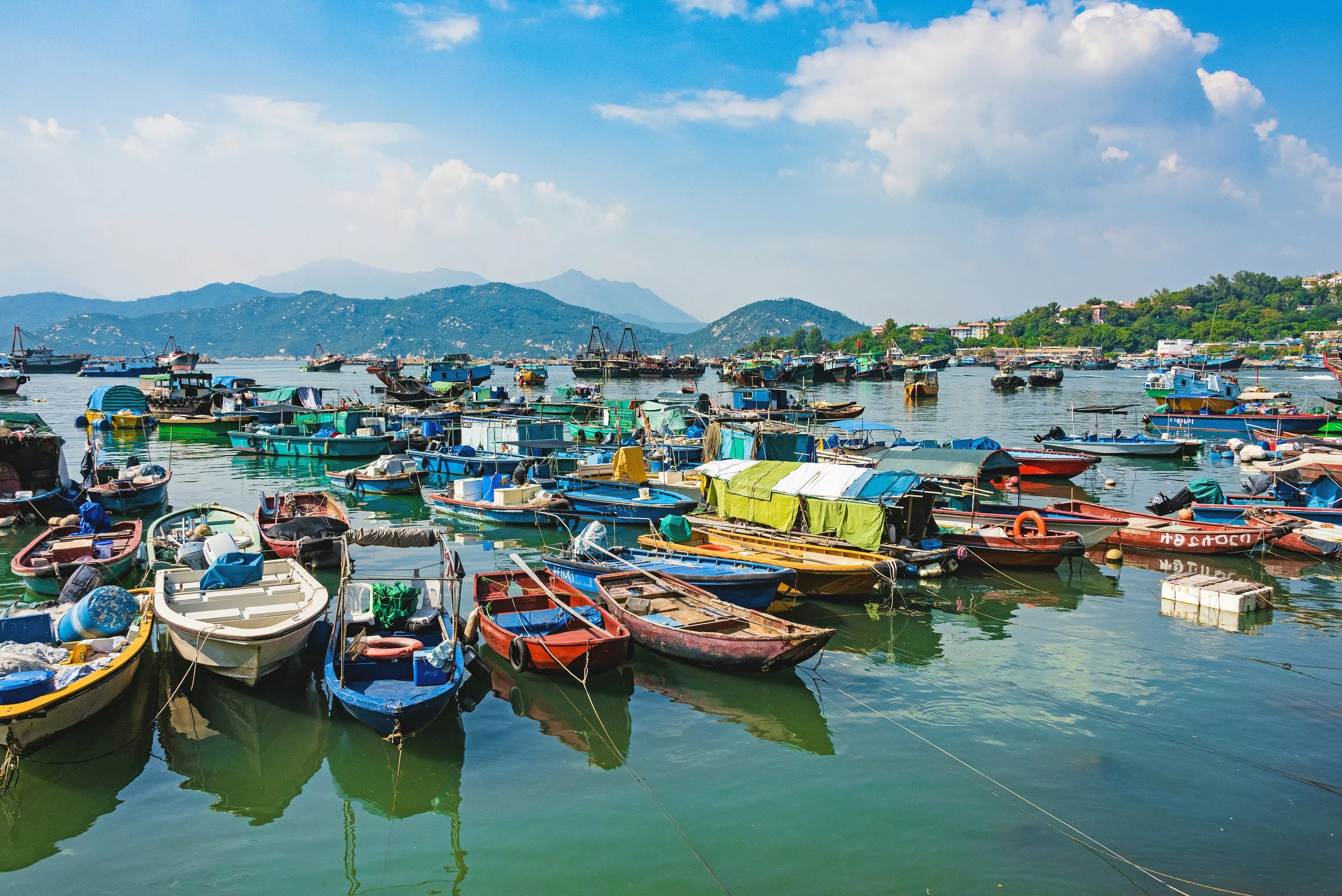
Cheung Chau, Photo by Paulo Evangelista on Unsplash
Cheung Chau is perhaps the quintessential Hong Kong island getaway. Shaped like a dumbbell, this small island is famous for its lack of private cars, its vibrant fishing community, and its annual Bun Festival.
The hour-long Sun Ferry journey to Cheung Chau from Central Pier 5 is part of the charm. Although a fast service is available, choosing the "Ordinary Ferry" allows you to sit on the open deck and watch the container ships navigate the busy shipping lanes. The breeze provides a welcome relief from the city's humidity.
As you step off the ferry, you are immediately greeted by the sight of hundreds of fishing trawlers bobbing in the harbour and the smell of drying seafood wafting through the air. The island's dumbbell shape dictates its navigation: the narrow stretch in the middle is where the bustle lives, packed with shops and restaurants, while the two larger ends offer rugged trails and quiet residential areas.
During the famous Bun Festival, usually held in May, the island transforms into a sea of colour and sound. The festival is a spectacular display of local Taoist culture, featuring a colorful parade in which participants appear to float above the crowd and a dramatic bun-snatching competition, where athletes climb towers covered in lucky buns to ensure prosperity for the community.
Even outside of the festival, walking through the narrow, winding alleys of Cheung Chau’s central village is a sensory delight. You can sample the island's famous oversized fishballs, mango mochi, and fresh-off-the-boat seafood at the waterfront restaurants.
When you want a break from the busy center, Tung Wan and Kwun Yam Wan beaches offer golden sands and clear waters, perfect for a mid-afternoon swim or windsurfing session.
If you want to spend more than a few hours soaking in the atmosphere, there are plenty of accommodation options in Cheung Chau. Spending a night or two here gives you the chance to catch the sunset over the harbour after the day-trippers have departed.
Lantau Island: Nature's Majesty and Cultural Landmarks
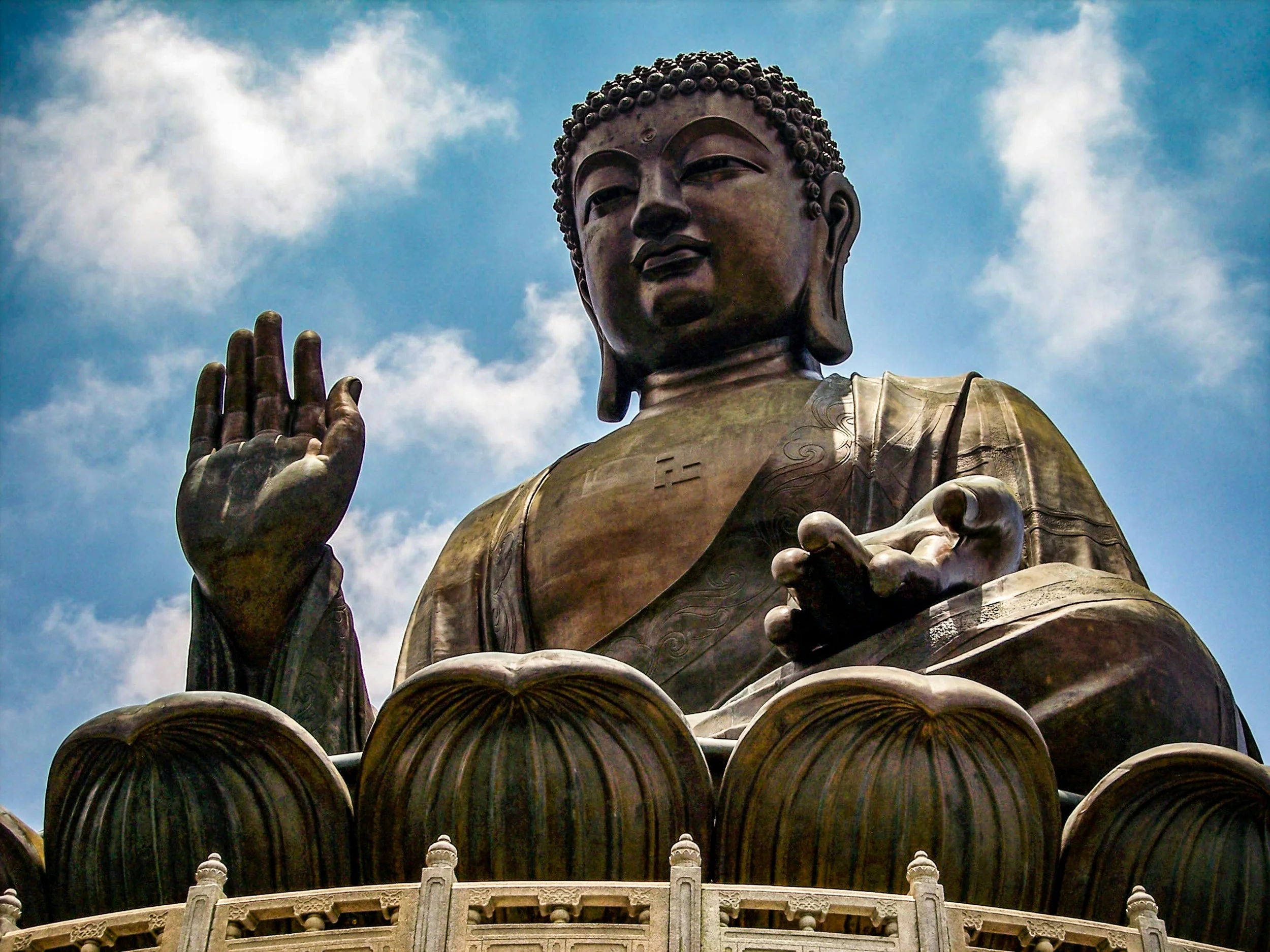
Lantau Island, Photo by Joshua J. Cotten on Unsplash
Lantau is the largest of Hong Kong's islands and offers a scale of nature that surprises first-time visitors. While many know it for the airport or Disneyland, the southern and western reaches of the island are dominated by the Lantau South Country Park, home to mist-shrouded peaks and secluded beaches like Pui O and Cheung Sha.
The most rewarding way to see the island's diversity is to follow the route from Mui Wo to Tai O. Start by taking the ferry to Mui Wo, where you can enjoy a relatively quiet town before heading toward the Ngong Ping plateau via cable car.
Here, the Tian Tan Buddha (Big Buddha) sits majestically atop 268 steps. The experience of the Big Buddha is one of scale and serenity, especially if you arrive early to beat the crowds.
After visiting the colourful Po Lin Monastery, the contrast between the tourist-heavy plateau and the nearby trails is stark. Just a short walk away lies the Wisdom Path, a quiet installation of wooden pillars featuring the Heart Sutra, offering a peaceful moment of reflection.
From Ngong Ping, a 20-minute bus ride leads to the true coastal gem of Lantau, Tai O. This ancient fishing village is famous for its houses built on stilts over the water, earning it the nickname the “Venice of Hong Kong." Taking a boat trip here often rewards visitors with a sighting of the rare Chinese pink dolphins (Indo-Pacific humpbacks).
Whether you are seeking the spiritual quiet of the monastery or the rugged challenge of Sunset Peak, Lantau reveals a mountainous wilderness that feels worlds away from the financial district. Staying on Lantau Island overnight can give you more time to appreciate its spiritual atmosphere.
Lamma Island: The Bohemian Retreat
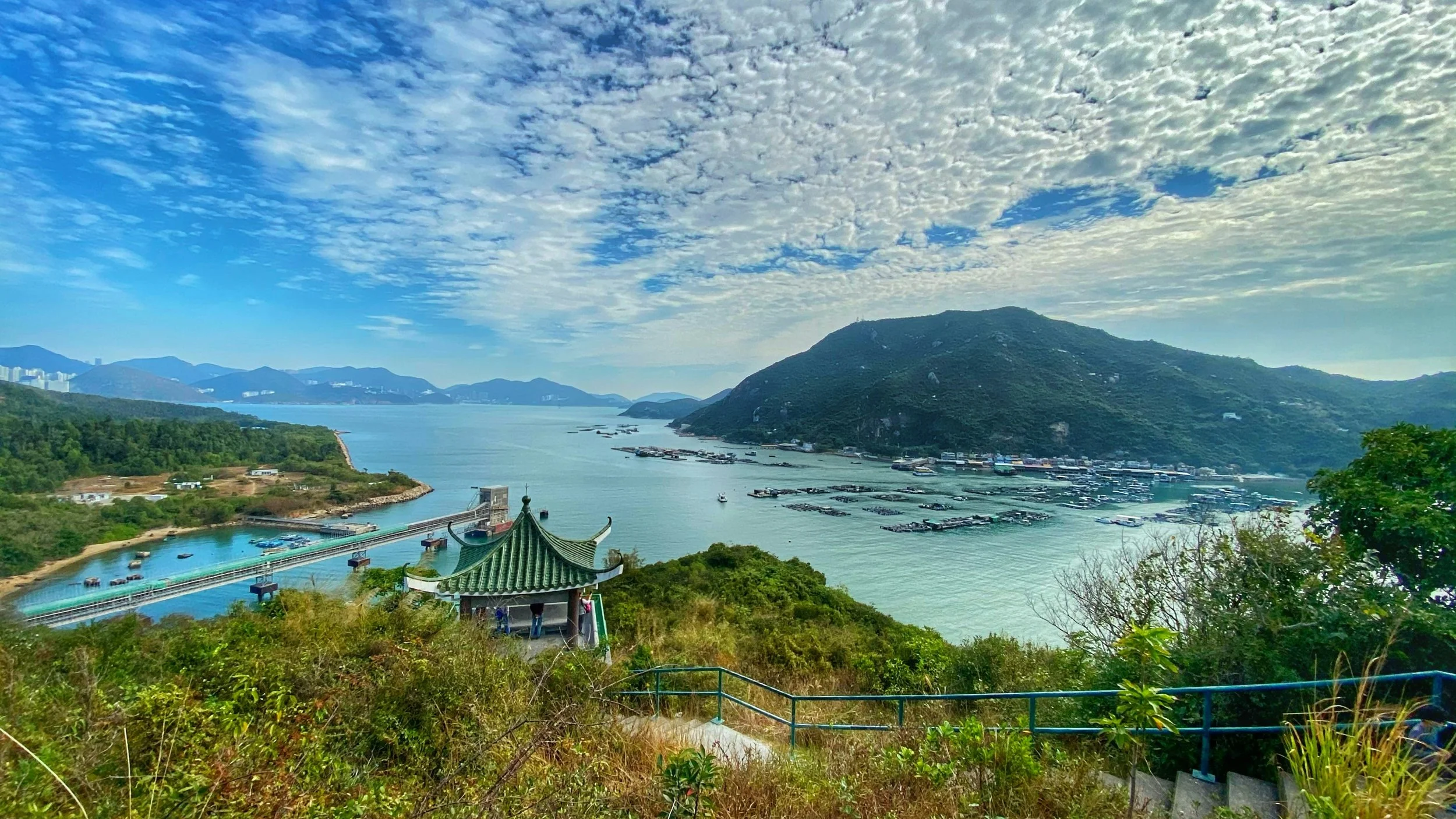
Lamma Island, Photo by Burak Ceviz on Unsplash
Lamma Island has long been the refuge of artists, expats, and those seeking a bohemian lifestyle. With no cars and a strictly enforced building height limit, it maintains a laid-back charm that is hard to find in Hong Kong’s Central District.
For those who value a quiet morning coffee overlooking a sleepy bay, the vacation rentals on Lamma Island offer the perfect antidote to the city's frantic energy.
The island has two main ferry piers, and the choice between them defines your initial experience. Yung Shue Wan in the north is the heart of the social and expat scene, while Sok Kwu Wan in the south is more traditional and food-focused.
The best way to experience Lamma is to take the ferry to one pier and walk the Lamma Island Family Trail to the other. This paved 3-mile path is the island's lifeline, winding through traditional villages, past organic farms, and offering panoramic coastal views from hilltop pavilions.
Yung Shue Wan is filled with craft shops, international cafes, and cozy bars where the bohemian expat community gathers for sunset drinks. Spend a while exploring before heading off on the Family Trail. Along the walk, you'll see the famous Kamikaze Caves, where Japanese forces hid speedboats during WWII, adding a layer of history to the natural beauty.
On the other end of the trail, Sok Kwu Wan is a dedicated seafood destination, where rows of restaurants serve chili crab and steamed garoupa right over the water. The contrast between the craft-beer-and-coffee vibe of the north and the traditional-seafood-extravaganza of the south makes for a perfect day out.
Sai Kung: The Back Garden of Hong Kong
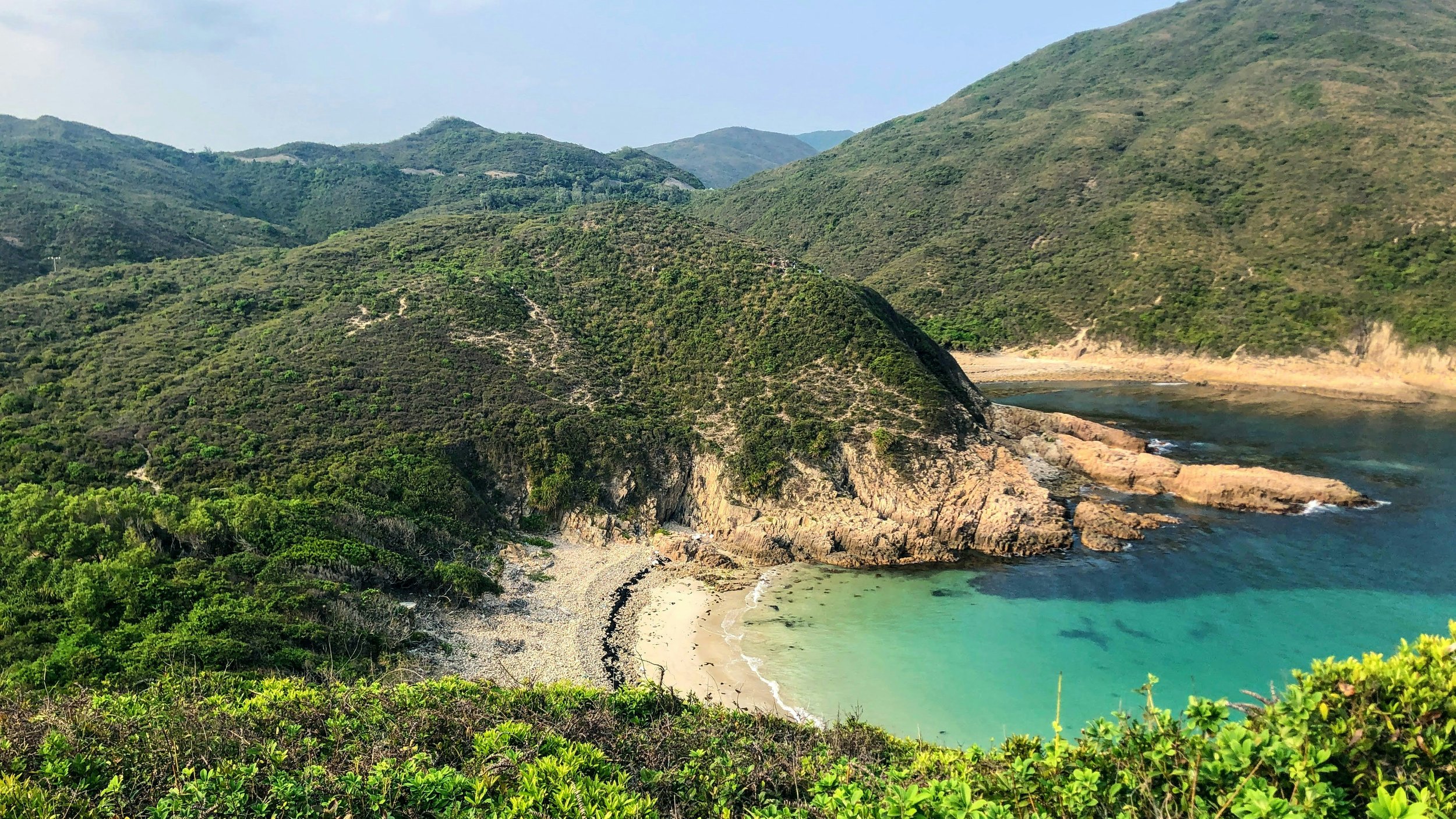
While not an island itself, the Sai Kung Peninsula is the gateway to some of the most spectacular coastal scenery in the region. Known as the “back garden” of Hong Kong, this area is a haven for hikers, divers, and beach lovers.
For the adventurous traveler, a short stay in Sai Kung offers everything from kayaking through mangroves to high-octane speedboating across the eastern bays. If you’re looking to explore Hong Kong’s natural wonders, this is the place to be.
The town of Sai Kung is a bustling hub known for Seafood Street, a block of restaurants specializing in local seafood. Here, you can pick your dinner from massive glass tanks on the pier.
The real magic happens when you hire a sampan, a small traditional wooden boat, to the remote beaches of Tai Long Wan. Many sampan operators line the waterfront with signs showing their destinations; simply point, agree on a price (usually paid in cash), and ask for the return time.
Tai Long Wan’s four stretches of white sand and turquoise water offer a true taste of paradise. Tai Wan and Tung Wan are the most secluded and natural, whereas Sai Wan and Ham Tin Wan have basic facilities like restaurants, cafes, and surfboard rentals.
You can also visit Sharp Island (Kiu Tsui Chau), famous for its natural tombolo (levee) that appears at low tide, or explore the volcanic rock formations of the UNESCO Global Geopark. The Geopark is a geological marvel, featuring hexagonal rock columns formed 140 million years ago, and it’s best viewed from the water.
The Magic of the Harbour
Even if you don't have a full day to spare for an island excursion, the simple act of taking a ferry across Hong Kong’s Victoria Harbour at sunset is one of the world's great travel experiences. As the lights of the Central skyline begin to twinkle and the red sails of the Duk Ling junk boat pass by, you realize that Hong Kong is, and always has been, a city of the sea.
By using the ferry network to explore these coastal escapes, you aren't just seeing the sights; you're experiencing the very element that made Hong Kong what it is today. The water provides the space to breathe, the perspective to appreciate the urban density, and the means to properly explore the archipelago that remains the city's true heart.