Meet the Newest Faces of Hello! Hong Kong Tours

We're excited to introduce two new guides joining the Hello! Hong Kong Tours family — Robert and Raymond. Between them, they bring decades of local life, global perspective, and a shared love of showing guests the Hong Kong that guidebooks miss.

Robert: The Local Who's Seen It All

Robert, Hello! Hong Kong Tours guide, smiling.

Robert first landed in Hong Kong in the neon-lit 1980s, returned every summer to peel back another layer of the city, and finally settled here for good in the early '90s. Before guiding, he spent his career in the export business, managing teams across Hong Kong and mainland China — and after hours, he'd take clients out to show them "his Hong Kong," wandering markets and temples long before guiding became his job title.

For Robert, guiding is storytelling: weaving history, culture, and humor into every tour. He loves showing off the city's contrasts — incense curling through temple courtyards beside glass towers, century-old fishing traditions surviving inside a global financial hub — and the quiet corners most visitors walk straight past.

Raymond: Bringing Hong Kong to the World

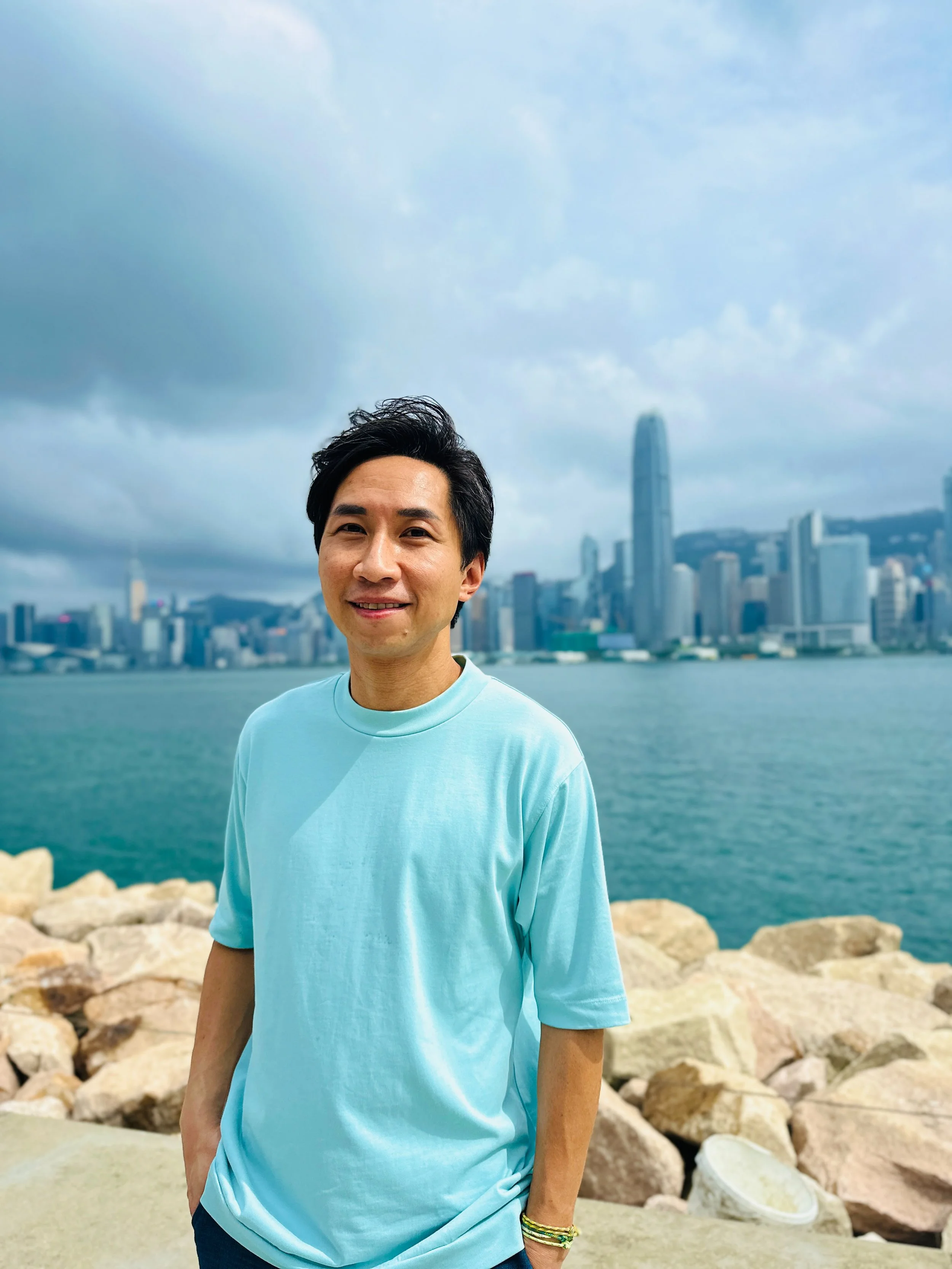
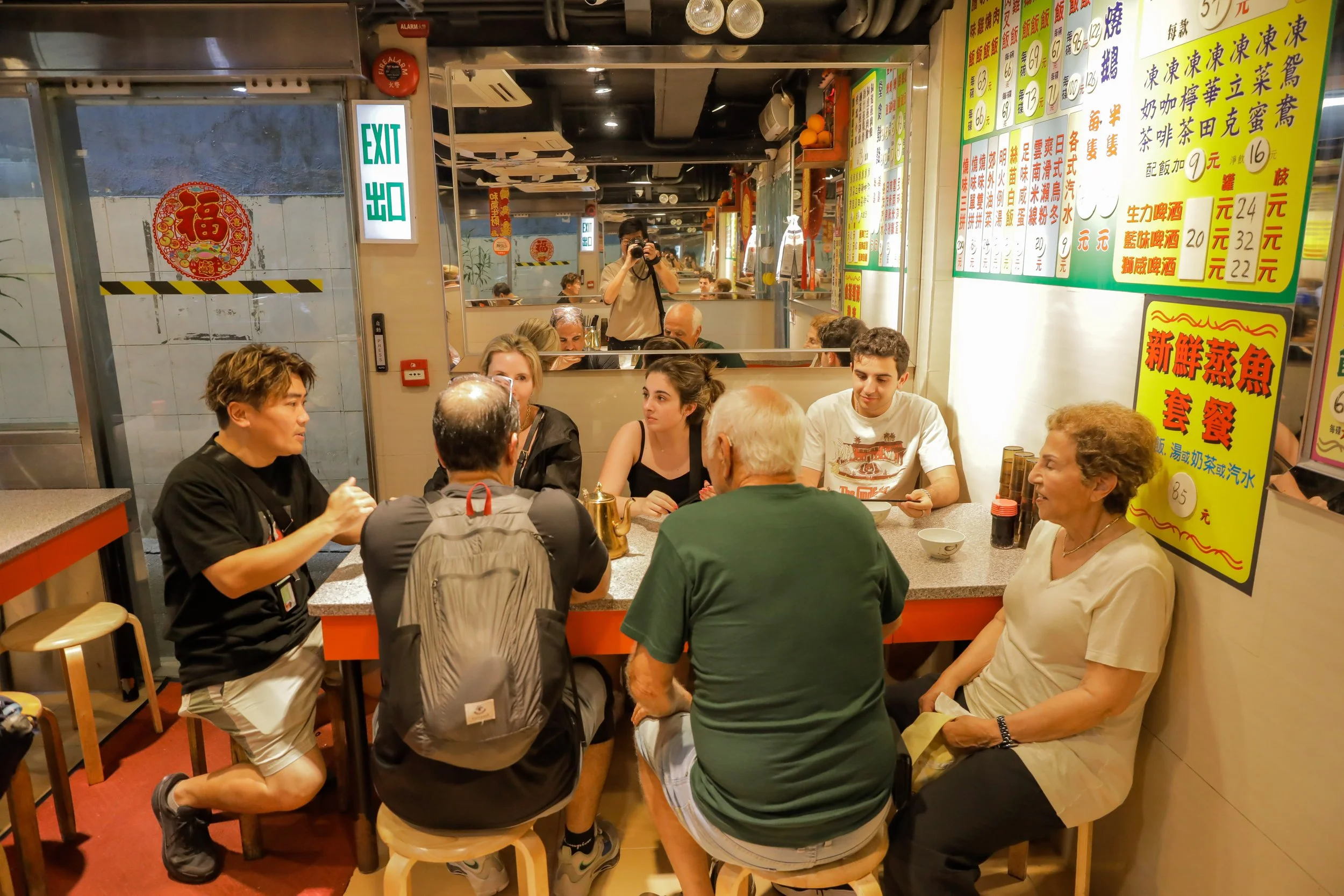
Raymond, Hello! Hong Kong Tours guide, standing in a Hong Kong neighborhood

For over 25 years, Raymond helped international brands sell into Mainland China and Hong Kong. Now he's flipping the script — bringing Hong Kong's stories, hidden alleyways, and best photo spots out to the world instead.

Guiding guests through neighborhoods like Sham Shui Po, Raymond doesn't just point at old buildings — he introduces the grandpa who still repairs appliances by hand, or the cha chaan teng that's fed three generations of workers nearby. He designs every tour around what makes a guest curious, whether that's street food, heritage, photography spots, or Hong Kong's skyline, delivered with the warmth of a knowledgeable friend rather than a script.

Add Them to Your Hong Kong To-Do List

Whether you want decades of lived-in local knowledge or a hometown storyteller with a global eye, Robert and Raymond are ready to show you their Hong Kong. Book a tour and see the city through a local's eyes.

Hello Hong Kong
Hong Kong Holidays & Festivals — October 2026

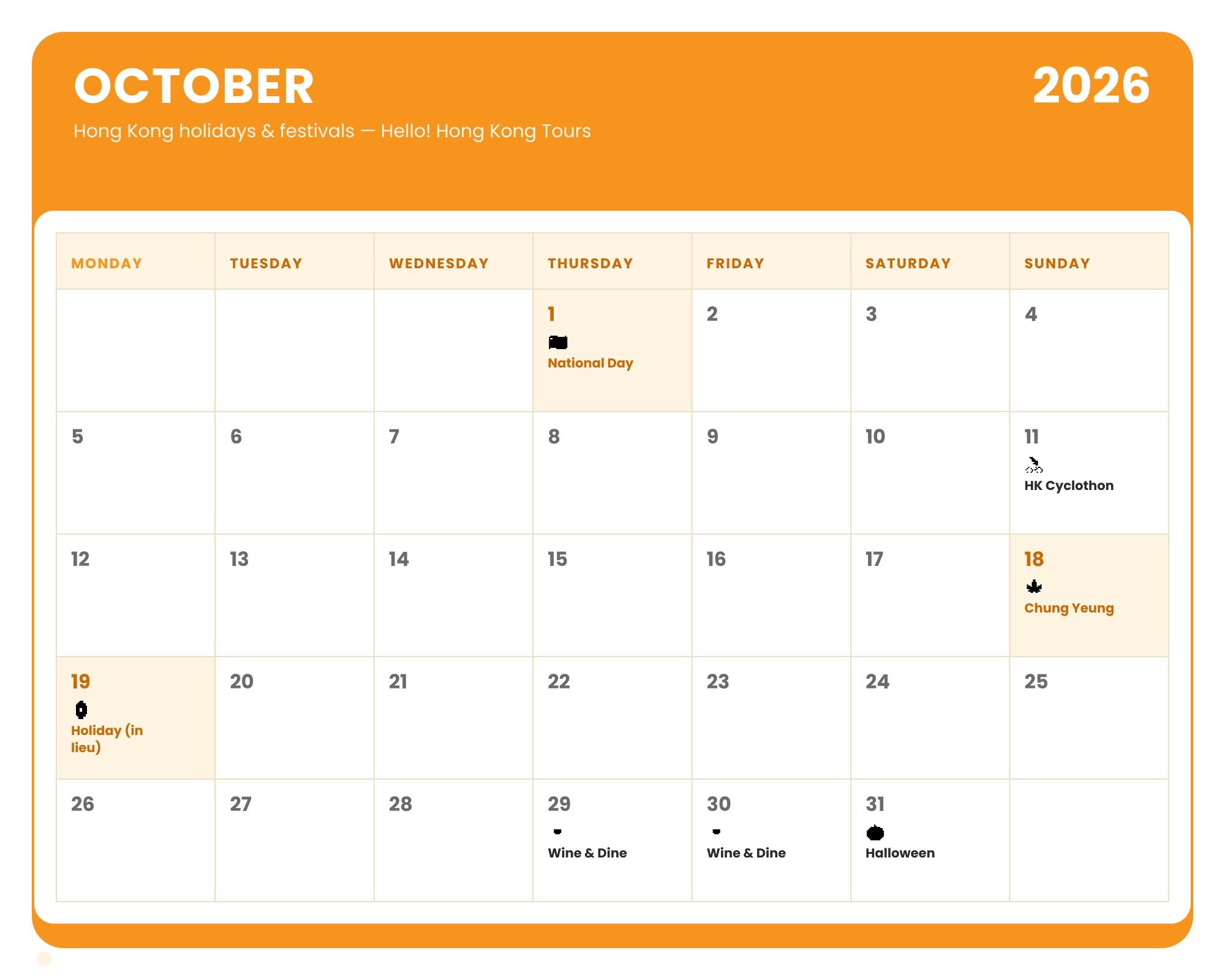
October is one of Hong Kong's best travel months. The summer humidity fades, skies stay mostly clear, and the city moves straight from Mid-Autumn lanterns into a run of holidays, harbourfront festivals, and Halloween parties. Here's what's on the calendar, and what each date actually means if you're visiting.

What each date means

October 1 — Public Holiday

National Day

National Day marks the founding of the People's Republic of China in 1949, and it's one of Hong Kong's 17 general holidays. Expect a fireworks display over Victoria Harbour in the evening, flag-raising ceremonies in the morning, and noticeably heavier crowds at border checkpoints and major attractions, since it kicks off Mainland China's "Golden Week" travel period.

October 11 — Citywide Event

Hong Kong Cyclothon

Not a public holiday, but worth knowing about if you're getting around by road that day. The Cyclothon closes off sections of Hong Kong Island and Kowloon for the city's largest annual cycling event, taking riders past Victoria Harbour, Central, and other landmark routes not normally open to bikes.

October 18 — Public Holiday

Chung Yeung Festival

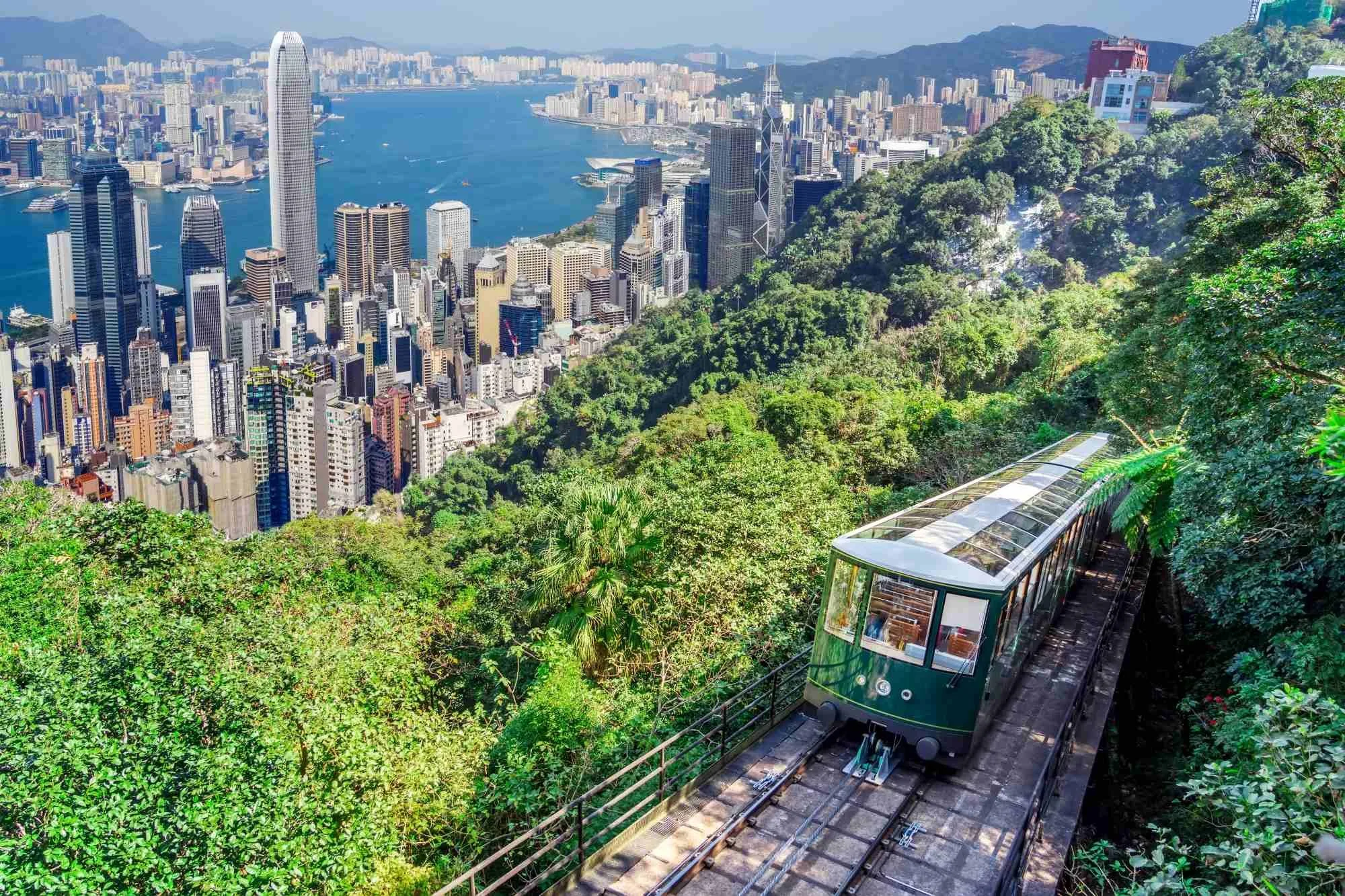
Also called the Double Ninth Festival, Chung Yeung falls on the ninth day of the ninth lunar month. Traditionally, families climb hills or mountains, visit and tend to ancestral graves, and eat chongyang cake. Because it lands on a Sunday in 2026, the following Monday (October 19) is observed as a substituted public holiday, so expect hiking trails like Victoria Peak and Lion Rock to be busier than usual on both days.

October 29 – November 1 — Festival

Hong Kong Wine & Dine Festival

The Central Harbourfront turns into an open-air food and wine event, with booths from local restaurants, Michelin-starred kitchens, and wineries from around the world, plus live music against the Victoria Harbour skyline. It's the opening act for "Wine & Dine Month," which continues through November with special menus at restaurants and bars across the city.

October 31 — Festival

Halloween in Hong Kong

Halloween isn't a traditional Hong Kong holiday, but the city has adopted it enthusiastically. Lan Kwai Fong fills with costumed crowds, Ocean Park and Disneyland run seasonal haunted attractions through the month, and 2026 brings Hong Kong's first citywide Halloween celebration, spreading the festivities beyond the usual nightlife districts.

Make the most of your October visit

With National Day crowds, Chung Yeung hikers, and Wine & Dine festival-goers all sharing the city this month, a bit of local know-how goes a long way. A private tour with one of our Hong Kong guides means you can time the big sights around the busy dates above, skip the parts of the city that get overrun, and still catch the festival energy where it's worth catching. And if a few hours isn't enough, our guides are happy to help you build out a longer itinerary, whether that's a food crawl through a neighbourhood you haven't tried yet, a day trip to one of the outlying islands, or simply more time exploring at your own pace.

Local Gifts to Bring Home for First‑Time Visitors to Hong Kong

Hong Kong is a captivating blend of traditional Cantonese heritage and global modernity, renowned for its iconic skyline, vibrant street culture, and world‑class dining scenes. For first‑time visitors, traveling is not only about sightseeing but also about bringing authentic local treasures back home. A carefully selected souvenir serves as a heartfelt memento, preserving unique Hong Kong vibes and sharing wonderful travel experiences with family and friends overseas.

Most travelers arrange cultural exploration and local shopping during their Hong Kong trip. Many tourists join a Hong Kong food tour to wander hidden alleyways, taste authentic street food, and immerse themselves in local culinary culture. After exploring the city’s diverse food scenes, picking out exquisite local gifts becomes the perfect finishing touch to a complete Hong Kong travel journey.

Diverse Local Souvenirs Worth Taking Home

Hong Kong boasts an incredibly rich variety of signature souvenirs, covering classic pastries, premium seafood specialties, traditional tea products, and cultural creative gifts, catering to all tastes and gifting scenarios.

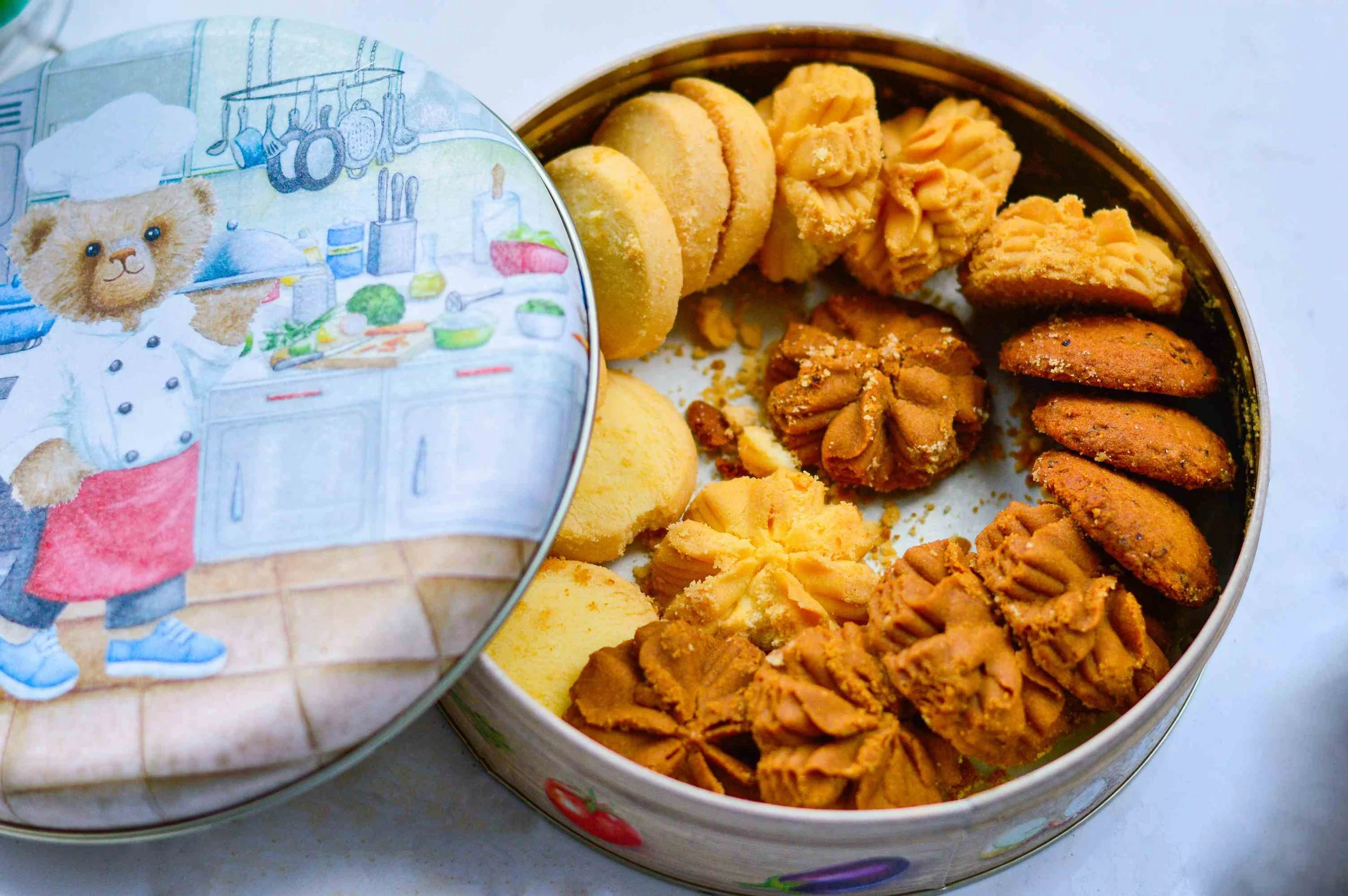
- Classic Butter Cookies & Pastries:Jenny Bakery is iconic for its melt‑in‑mouth butter cookies packaged in collectible bear‑shaped metal tins, a top tourist favorite worldwide. Quartet Cookies is famous for crispy, layered butterfly pastries with a light, sweet flavor, ideal as casual snacks and portable gifts. Traditional bakeries also offer crispy egg rolls, soft wife cakes, and seasonal mooncakes that represent authentic Cantonese baking culture.

- Time‑Honored Cantonese Desserts: Kee Wah Bakery, a century‑old Hong Kong brand, delivers classic local flavors with its handcrafted pastries and festive gift sets. Old‑school confectioneries also sell traditional coconut candy, crunchy sesame sweets, and preserved fruits, carrying the nostalgic taste of old Hong Kong.

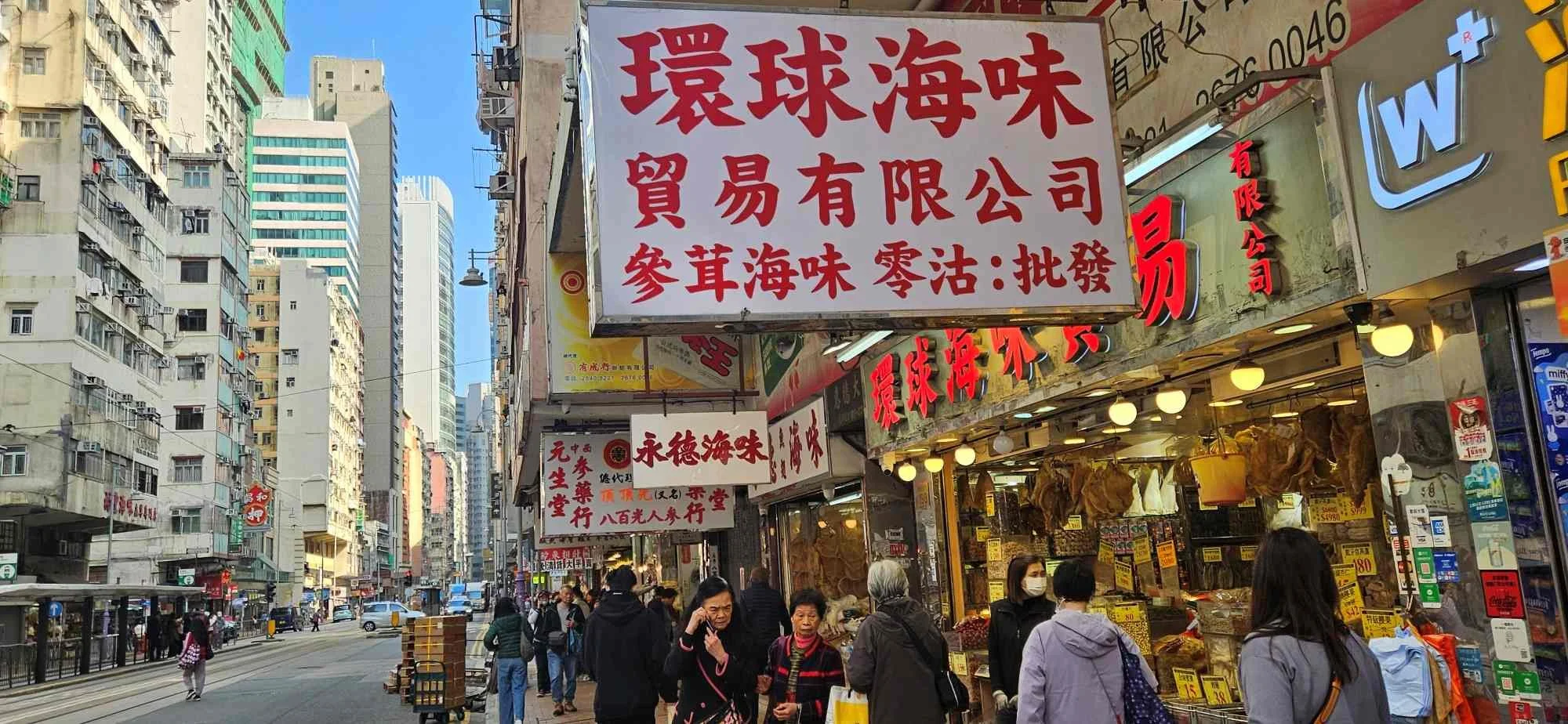
- Premium Dried Seafood: As a historic fishing and trading port, Hong Kong is famous for high‑quality dried seafood, including dried scallops, abalones, and fish maw. These premium specialties are classic upscale gifts, embodying Hong Kong’s long‑standing maritime trade culture.

- Local Tea & Drinks Specialties: Hong Kong‑style milk tea leaves, aged Chinese tea, and local herbal tea packs are subtle and elegant gifts. They reflect the daily tea‑drinking lifestyle deeply rooted in local people’s lives.

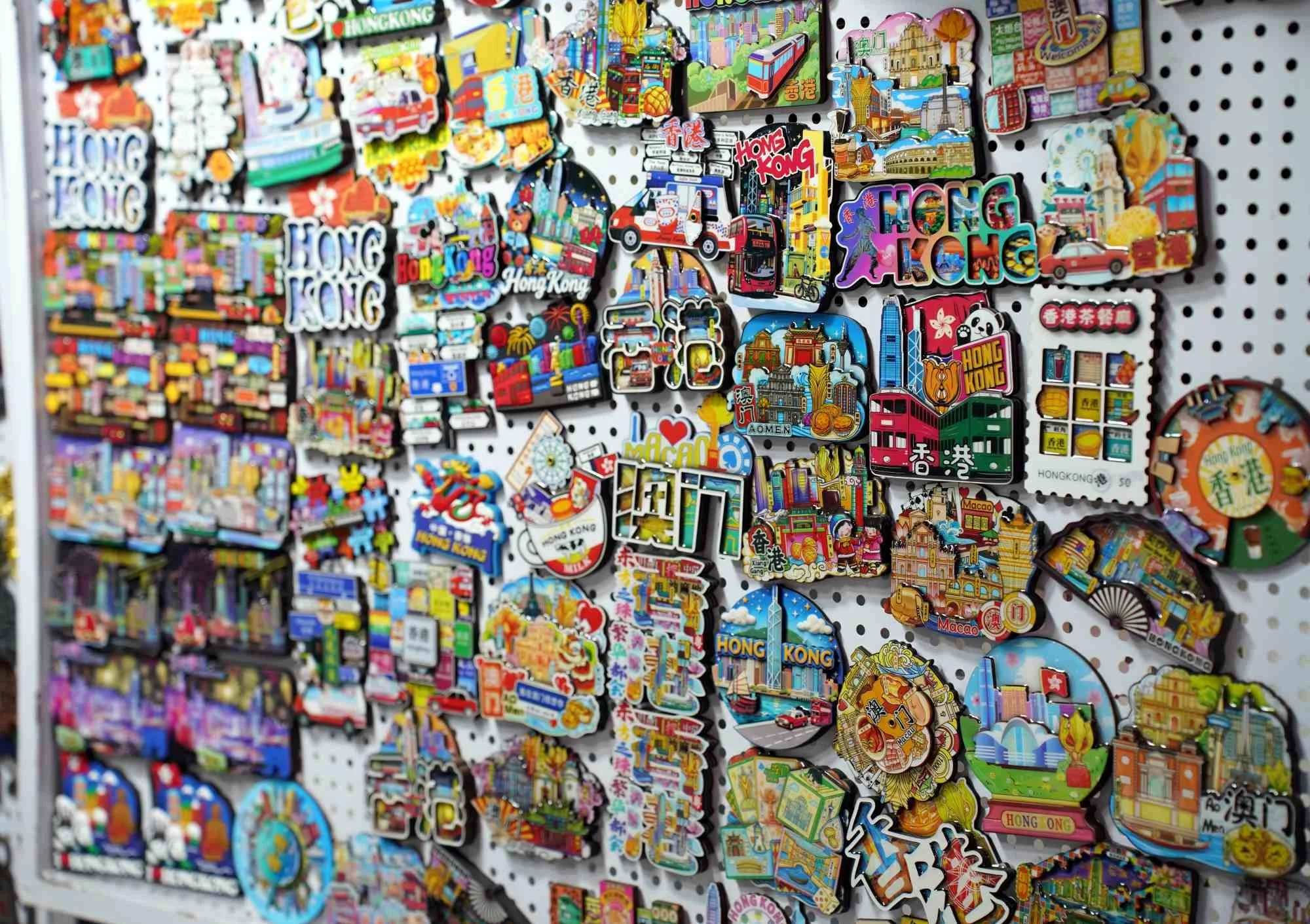
- Hong Kong Cultural Creative Gifts: For travelers who prefer non‑edible souvenirs, Hong Kong‑themed fridge magnets, vintage postcards, classic tram and bus model ornaments, and retro neon‑style crafts are perfect choices. These small items capture the city’s unique East‑meets‑West aesthetic and urban characteristics.

With such a wide range of scattered specialties, a well‑curated Gift Hamper is a very practical choice. It brings together multiple classic Hong Kong specialties in one elegant package, suitable for overseas shipping for many gifting occasions.

Best Neighborhoods to Buy Authentic Hong Kong Souvenirs (With Local Vibes)

The charm of Hong Kong souvenir shopping lies in exploring local old neighborhoods, where every street carries profound cultural heritage and authentic civilian lifestyles. Different districts feature unique shopping styles and local customs, allowing travelers to experience real Hong Kong while hunting for gifts.

Central – Trendy & Iconic Tourist Shopping Hub

Central is Hong Kong’s core business and tourist district, blending modern prosperity and colonial‑style old streets. It is the main outlet for Jenny Bakery, where tourists often line up for fresh, freshly baked signature cookies. Surrounding streets are lined with specialty tea shops, boutique food stores, and cultural souvenir shops selling Hong Kong‑themed creative ornaments. Shopping here combines convenient transportation, standard product quality, and classic Hong Kong urban scenery, perfect for first‑time visitors who prioritize efficiency and authenticity.

Sai Ying Pun & Sheung Wan – Century‑Old Seafood & Traditional Street Culture

Des Voeux Road West in Sai Ying Pun is Hong Kong’s famous century‑old dried seafood street, gathering generations of local family‑run merchants. Walking along this street, you can smell the natural aroma of dried seafood and feel the slow‑paced old Hong Kong trading customs. Shops here offer high‑quality dried scallops, abalones, and fish maw at transparent prices, favored by locals for daily purchases and gifting. Adjacent Sheung Wan features old herbal tea shops and traditional candy stores, retaining the classic streetscape of early Hong Kong and presenting pure local folk customs.

Sham Shui Po & Mong Kok – Folk Market with Strong Local Vibes

Sham Shui Po and Mong Kok are the most down‑to‑earth old districts in Kowloon, full of strong civilian vibes and local life atmosphere. These areas are home to numerous family‑run old bakeries, retro grocery stores, and street stalls. Unlike high‑end malls, shops here focus on affordable, authentic daily specialties, including traditional pastries, handmade candies, and local snacks. The bustling streets, crowded pedestrians, and old shop signboards fully showcase the lively grassroots culture of Hong Kong. Mong Kok’s Ladies’ Market is also a great spot for affordable cultural souvenirs and small accessories, where bargaining is a local tradition and a unique travel experience.

Wan Chai – Blended Lifestyle of Locals & Tourists

Wan Chai perfectly mixes local residential life and tourist business. Wan Chai Market gathers various local specialty stalls, selling fresh dim sum, dried herbs, and handmade snacks. The nearby mini flower market and retro street stalls add unique local charm. Here, travelers can witness the daily shopping habits of Hong Kong residents and buy down‑to‑earth, uncommercialized local gifts.

City Malls – Convenient One‑Stop Shopping for Tourists

For travelers staying in tourist areas with limited time, major shopping malls including Times Square, Harbour City, and Langham Place have chain branches of Kee Wah Bakery and Quartet Cookies. With centralized store distribution and stable product quality, malls offer a hassle‑free shopping experience, ideal for quick souvenir purchases before departure.

Online Shopping – Zero‑Burden Gifting for Overseas Travelers

In fast‑paced Hong Kong, online gift ordering has become part of people’s everyday life. Trying local online gift shopping can be a worthwhile experience for visitors. Carrying bulky gift boxes while traveling is always inconvenient for overseas visitors. Give Gift Boutique is a well‑loved local gift shop popular among Hong Kong residents for birthday, festive and other gifting occasions. For travellers, it offers professionally curated, ready‑made gift hampers filled with authentic Hong Kong gourmet specialties. Visitors also get to experience Hong Kong’s efficient local delivery services. Orders can even be delivered to your hotel as fast as the same day. Flexible delivery options include direct hotel delivery within Hong Kong and worldwide shipping to overseas homes, letting visitors shop effortlessly without extra luggage weight.

Hello Hong KongHello! Tours
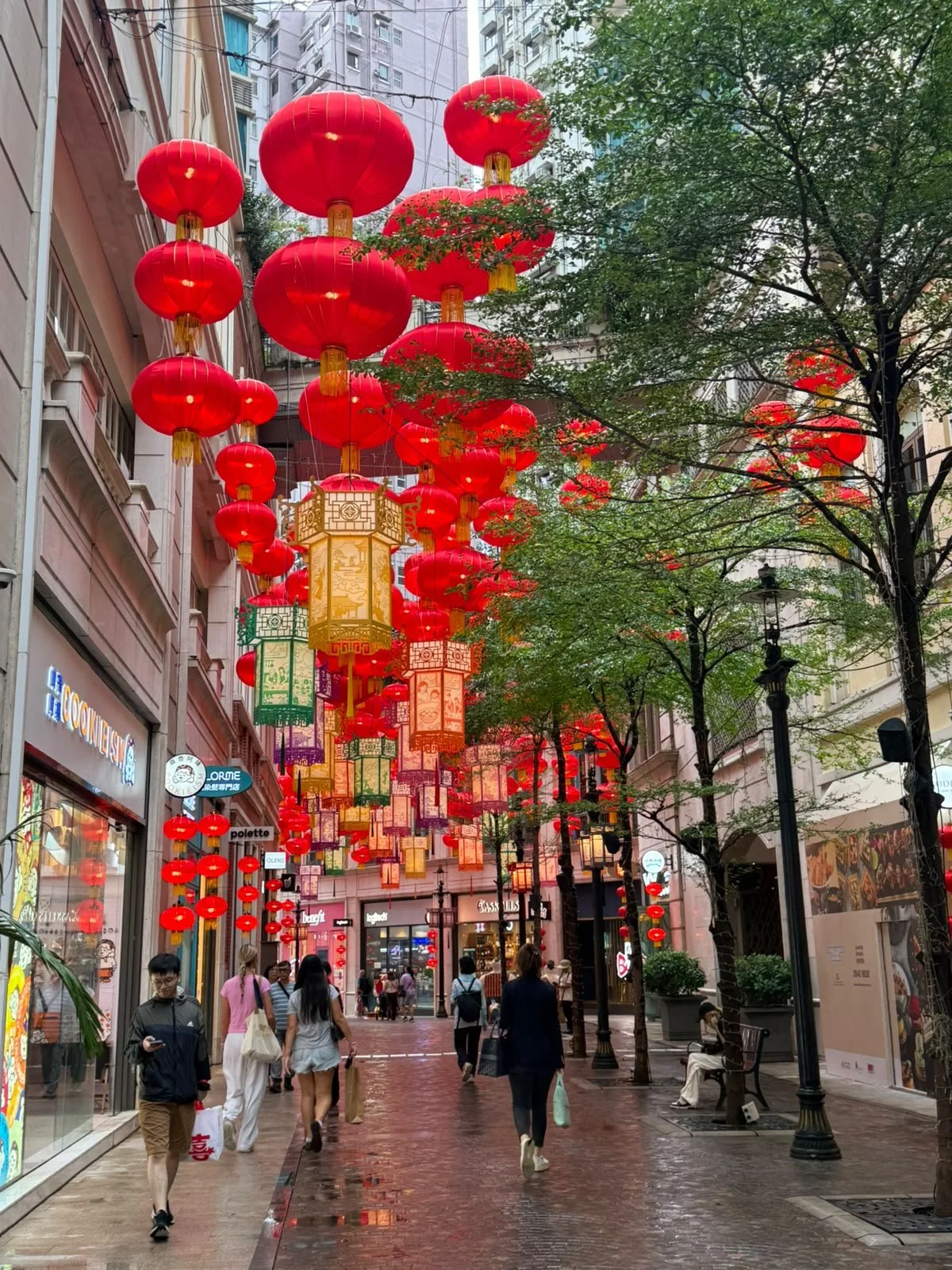
Why Hong Kong Glows Orange and Red Every Autumn

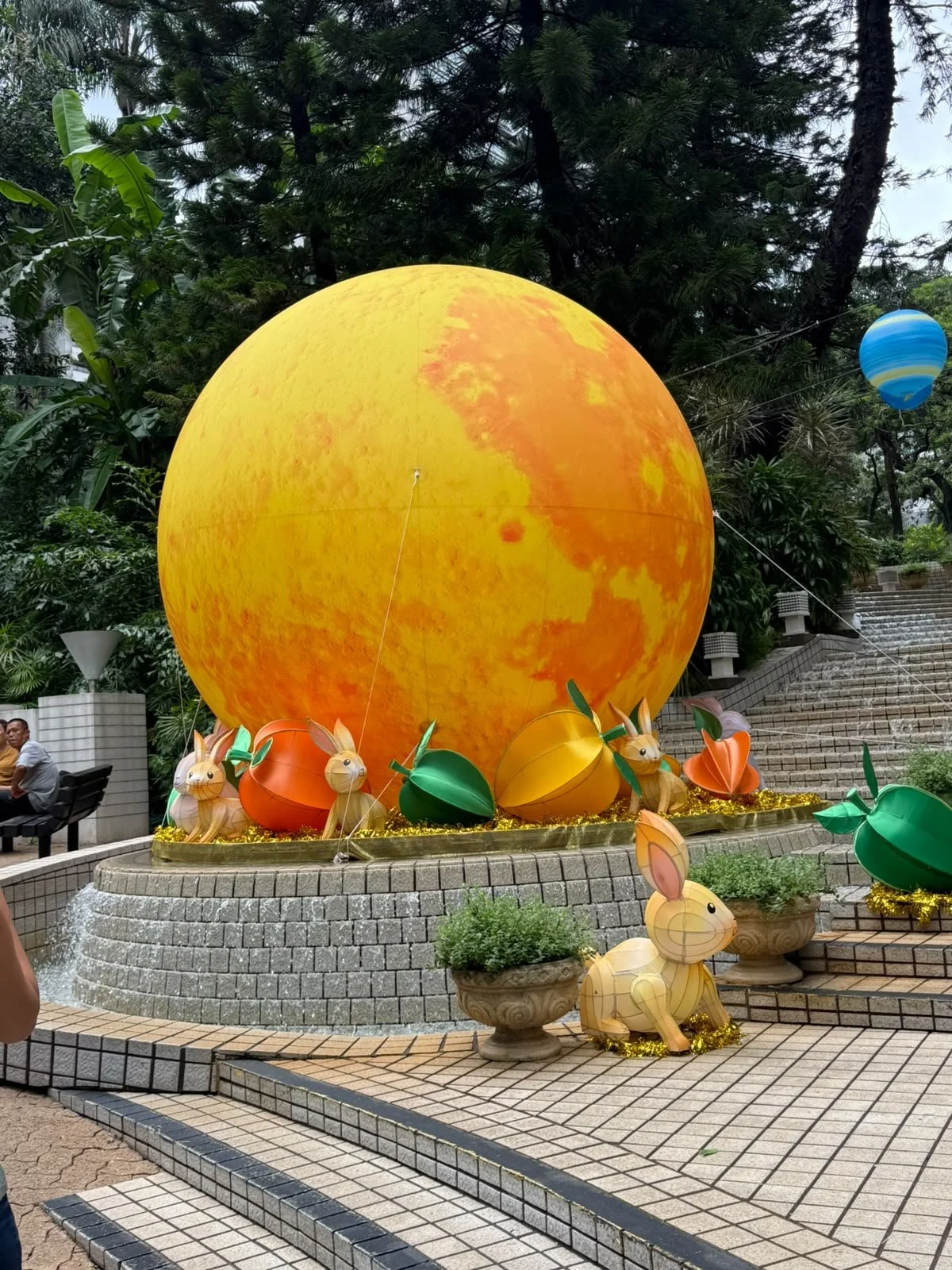
If you have never visited Hong Kong before, there is a good chance your first images of the city are steel skyscrapers, red taxis, and the busy Star Ferry crossing the harbor. But once a year, the city softens. Streets fill with round paper lanterns, shopping districts hang glowing red lights overhead, and parks set up giant lit-up displays shaped like rabbits, lanterns, and mooncakes. This is the Mid-Autumn Festival, and it is one of the most meaningful celebrations on the Hong Kong to-do list for any visitor who wants to understand the city beyond its skyline.

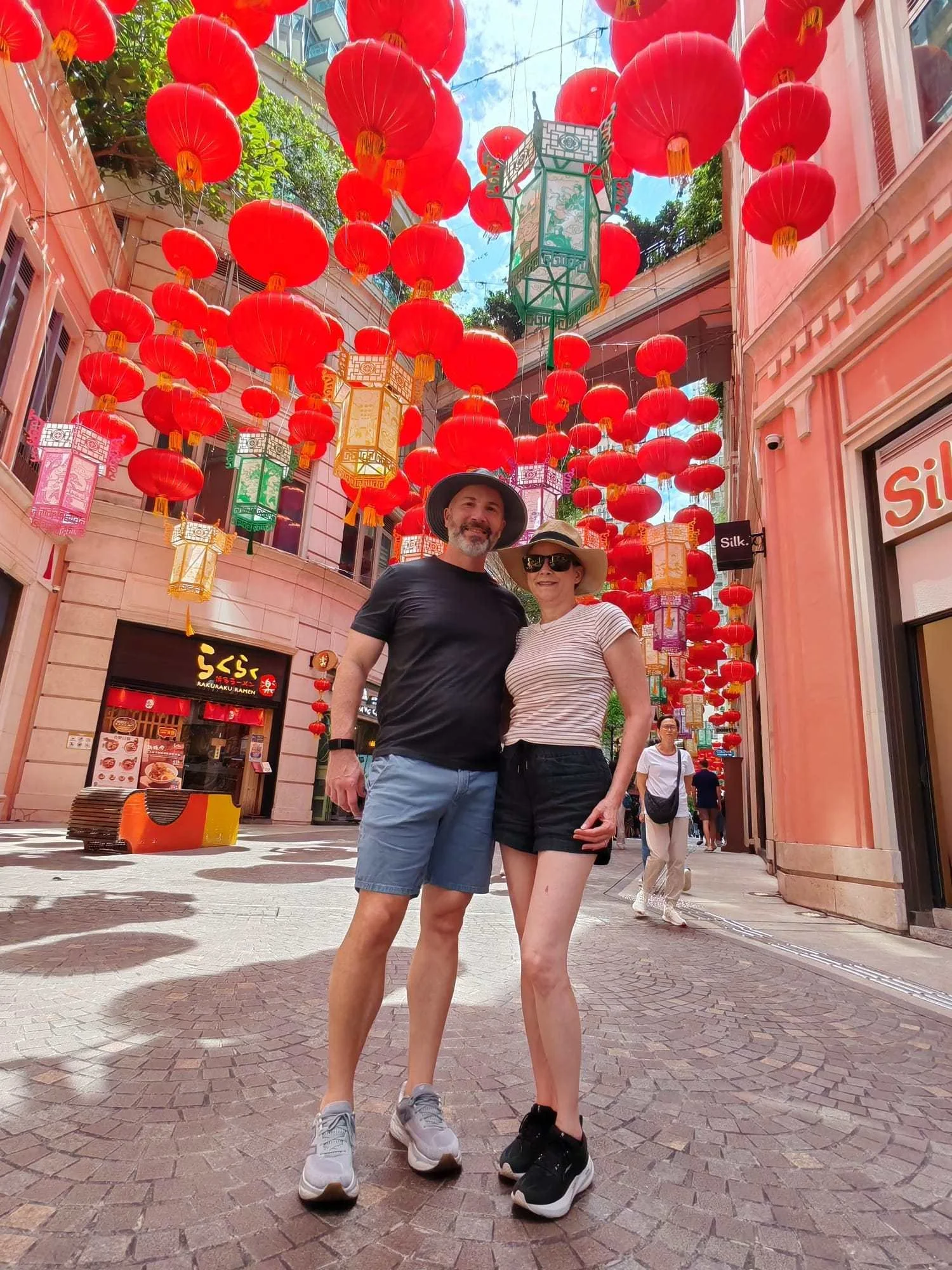
Couple standing beneath rows of red lanterns hanging over a Hong Kong street during Mid-Autumn Festival

Strolling through Hong Kong's lantern-lit streets — our Hello! Hong Kong guests soaking up the Mid-Autumn Festival glow on their walking tour.

What Is the Mid-Autumn Festival?

The Mid-Autumn Festival is a harvest celebration observed across Hong Kong, mainland China, and many other parts of Asia. At its heart, it is a festival about the full moon, family reunion, and gratitude. Families traditionally gather to share mooncakes, a dense pastry filled with lotus seed paste or red bean, often with a salted egg yolk in the center to represent the moon itself.

For visitors, it helps to think of it a little like a cross between Thanksgiving and a lantern festival. There is the same spirit of coming together with loved ones that you might recognize from a Western harvest holiday, paired with a very Asian tradition of lighting lanterns and telling old folk stories under the moon.

What Visitors Can Expect to See

Walk through Hong Kong during this season and the transformation is hard to miss:

  • Bright red lanterns strung overhead along shopping streets, turning ordinary sidewalks into warmly lit walkways

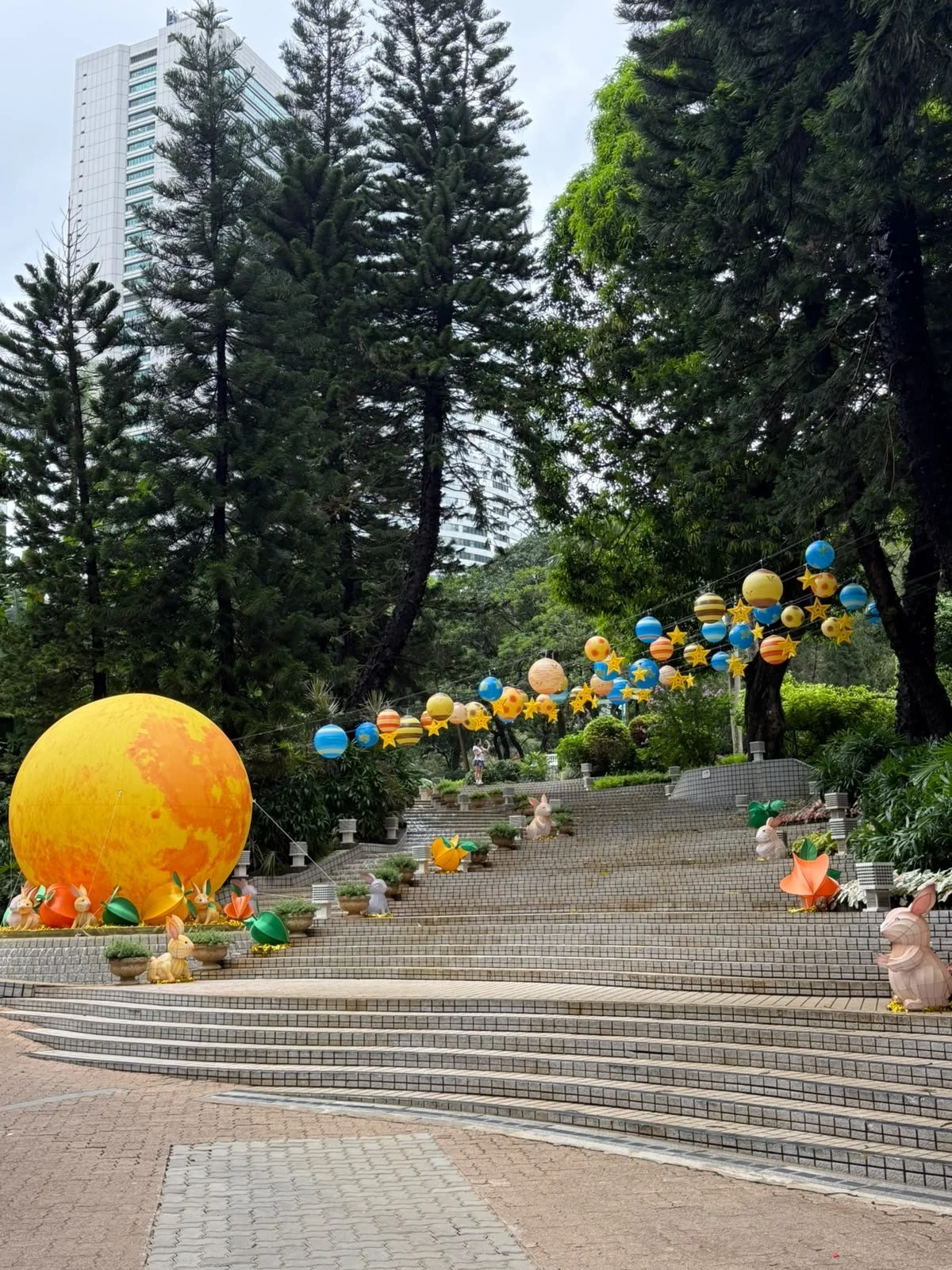
  • Large-scale light installations in public parks and plazas, often shaped like mooncakes, rabbits, or traditional lantern designs

  • Mooncake displays and gift sets in bakeries and department stores, with flavors ranging from traditional lotus paste to modern twists like ice cream or chocolate

  • Families and couples gathering outdoors in the evening, since viewing the full moon together is part of the tradition

None of this requires a special ticket or tour booking to enjoy. Much of it is simply part of walking around the city after dark during this time of year, which is part of what makes it special for first-time visitors. You get to experience a genuine local tradition, not a staged show.

Why It Matters to the People of Hong Kong

For locals, the Mid-Autumn Festival is less about spectacle and more about connection. It is one of the few times of year when extended families make a point of gathering for a meal, sharing mooncakes, tea, and often pomelo, a citrus fruit that is in season and traditionally eaten during the festival. Lighting lanterns, whether the traditional paper kind carried by children or elaborate LED displays in public spaces, is a way of extending that warmth outward into the community.

Understanding this helps put the decorations in context. Those glowing red lanterns overhead are not just pretty photo backdrops, they are a visible expression of a tradition that has centered family, gratitude, and togetherness for generations.

A Season Worth Experiencing

For a traveler who has never been to Hong Kong, arriving during Mid-Autumn season offers something a typical city guide will not tell you about: a chance to see the city at its warmest and most communal. Between the lantern-lit streets, the glowing park displays, and the shared plates of mooncake in every bakery window, it is a reminder that Hong Kong's identity is built on more than its skyline. It is built on stories like Chang'e and traditions that still bring people outdoors together, under the same moon their grandparents watched.

If you are planning a trip and want to catch the city during this atmosphere, it is worth adding a stroll through one of the lantern-lit districts to your Hong Kong to-do list.

Hello Hong KongHello! Tours
Long Ke Wan Beach Guide for First-Timers

Long Ke Wan Beach Guide for First-Timers

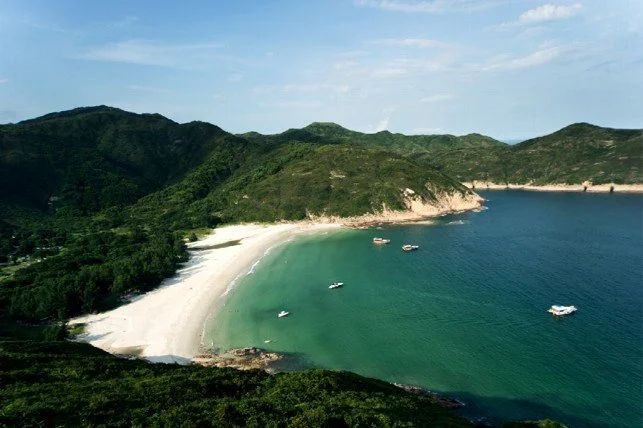
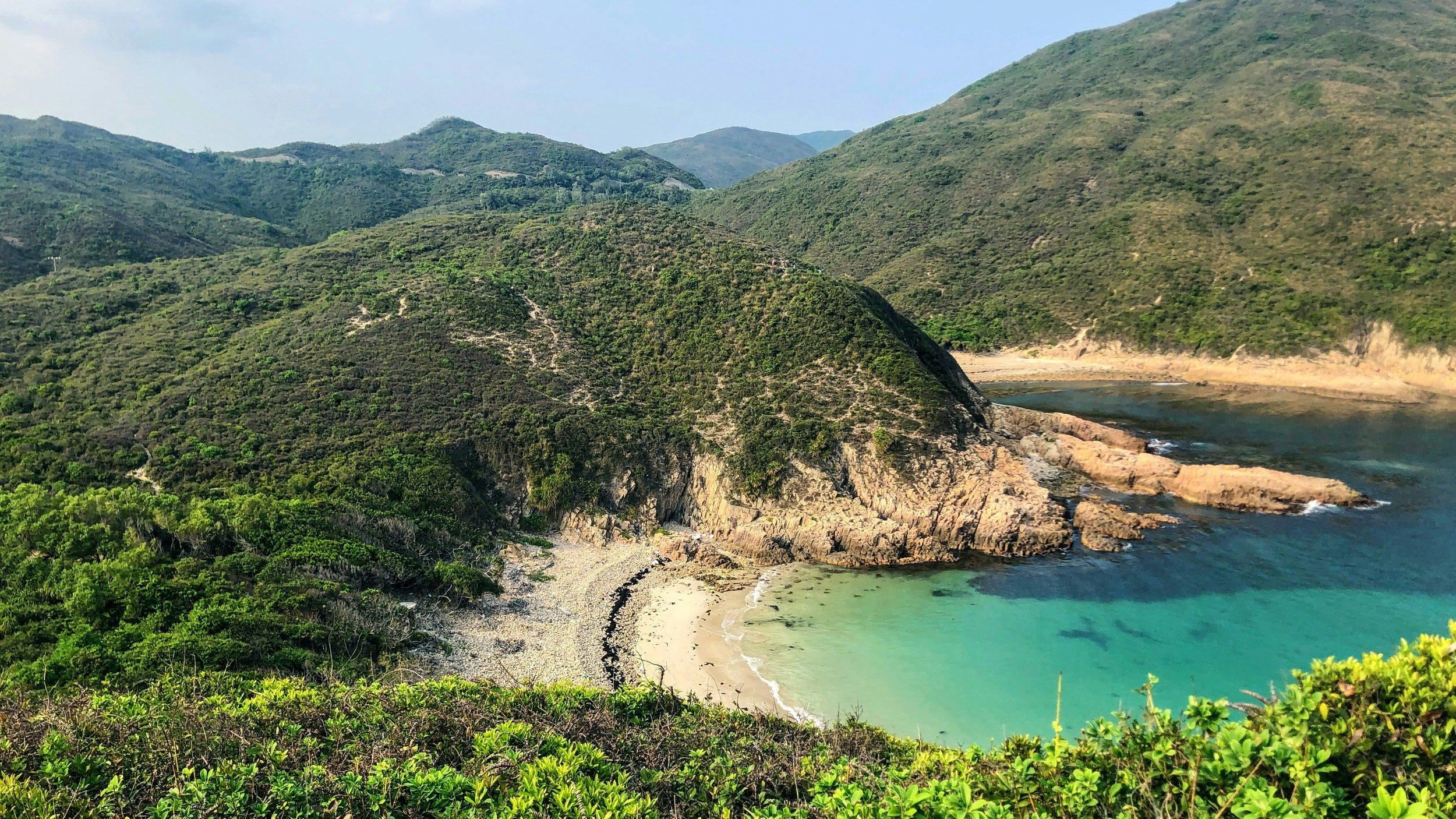
Most visitors arrive in Hong Kong expecting skyscrapers and dim sum, and leave without realising that roughly three-quarters of the territory is countryside. Long Ke Wan (浪茄灣) is the strongest argument for that second Hong Kong: a crescent of white sand and turquoise water tucked into Sai Kung East Country Park, regularly described as the most beautiful beach in the city and frequently compared to the Maldives.

It is also, deliberately, not easy to reach. There is no road to the sand, no shop, no restaurant and no lifeguard. That inaccessibility is precisely what has kept it pristine. Here's what a first-timer needs to know.

Where Is Long Ke Wan?

Long Ke Wan sits on the eastern edge of the Sai Kung Peninsula, facing directly out to the South China Sea. It lies just beyond the High Island Reservoir East Dam, at the point where Stage 1 of the MacLehose Trail ends and Stage 2 begins.

The beach is sheltered between headlands, which gives it unusually calm, clear water for an ocean-facing bay. Behind it sits an official government campsite, and beyond that, hills that rise steeply in every direction. There are no buildings in view from the sand.

How to Get to Long Ke Wan

There are three realistic options, and the right one depends on how much you're carrying and how much walking you want to do.

Option 1: Taxi to East Dam, then hike down (most popular)

From Sai Kung town, take a green New Territories taxi from the rank near the pier and ask for the High Island Reservoir East Dam. The ride takes roughly 30 minutes and typically costs in the region of HK$100–150 each way.

From the dam, look for the signpost marked Long Ke Wan and follow the trail down. The descent takes about 20 to 35 minutes on a mostly clear path. It is not stroller-friendly and involves a proper uphill return on the way back.

Option 2: Speedboat from Sai Kung Pier (easiest)

Boat operators work directly from the Sai Kung waterfront, and a one-way trip runs roughly HK$100–150 depending on season and demand, taking 20 to 30 minutes. The major advantage is that the boat drops you on the sand itself, ideal if you're carrying camping gear or travelling with young children.

Two caveats. Book your return when you arrive, since demand outstrips supply at weekends. And be aware the crossing can be choppy; anyone with back problems or who is pregnant should consider the taxi route instead. Boats also don't run in strong wind.

Option 3: Full hike from Pak Tam Chung (for hikers)

Take Bus 94 from Sai Kung Bus Terminus, or Bus 96R from Diamond Hill MTR on Sundays and public holidays, and get off at Pak Tam Chung. From there, follow the MacLehose Trail signage along Man Yee Road past the reservoir to the East Dam and down to the beach.

Allow two to three hours each way. The scenery along the reservoir is genuinely superb, but there is almost no shade on this route.

What You'll Find When You Arrive and What You Won't

Set expectations correctly and Long Ke Wan is close to perfect. Arrive expecting a resort beach and you'll struggle.

What's there:

  • Fine white sand and exceptionally clear water

  • An official AFCD campsite with basic pitches

  • Dry pit toilets

  • A seasonal stream as a water source, not suitable for drinking untreated

What's not there:

  • Any shop, kiosk, restaurant or vending machine

  • Lifeguards or shark nets

  • Showers or changing rooms

  • Reliable mobile signal in places

  • Rubbish bins (everything you bring must leave with you)

What to Pack

Because there is no resupply, packing well is the single most important part of the trip.

  • Water. Two to three litres per person minimum in warm months.

  • All food for the day, bought in Sai Kung town beforehand.

  • Sun protection. The beach and the trail are both fully exposed; a hat is not optional in summer.

  • Proper footwear with grip for the descent and climb back.

  • A dry bag if you're arriving by speedboat.

  • A rubbish bag to carry your waste out.

  • A head torch if you're camping or leaving at dusk.

Things to Do at Long Ke Wan

Long Ke Wan is not a beach with an activities desk. What it offers instead is a handful of things worth doing slowly, in a setting most visitors to Hong Kong never see.

Visit High Island Reservoir East Dam

If you arrive by taxi, build in fifteen to twenty minutes at the High Island Reservoir East Dam before you descend to the sand.

The dam forms part of the Hong Kong UNESCO Global Geopark, and the exposed cliff face reveals enormous hexagonal volcanic rock columns, formed as thick layers of lava cooled and contracted roughly 140 million years ago. A short Geo Trail with interpretive boards runs along the site, and the seaward side is stacked with dolosse, the giant interlocking concrete wave-breakers protecting the dam. It costs nothing and it's one of the most photographed geological features in the territory.

Enjoy Spot Po Pin Chau

A short walk beyond the East Dam brings you to a viewpoint over Po Pin Chau (破邊洲), a dramatic sea stack that was once joined to the headland before erosion cut it free.

What makes it remarkable is the sheer vertical wall of hexagonal columns on its inland face, rising straight out of the water like organ pipes. The viewpoint is reached by a marked path from the dam area and takes only a few extra minutes, but it delivers arguably the single best photograph of the whole trip. Go carefully near the cliff edges, particularly in wind, and stay behind any fencing.

Pack a Picnic

There is no shop, kiosk or restaurant anywhere near Long Ke Wan, so eating well here is entirely a question of what you carried in. Treat that as an opportunity rather than a chore.

Stock up in Sai Kung town before you set off — the market and bakeries there are well suited to it. Bring food that survives a warm hike without refrigeration: bread, cured meats, hard cheese, fruit, nuts and plenty of water. Sitting down to a proper meal on empty white sand, with no beach bar music and no crowds, is a large part of what people remember about the place.

One rule matters more than any other: there are no rubbish bins. Everything you bring in, including food scraps, goes home with you.

Swimming

The ocean is the main reason most people come here. This bay is sheltered between two headlands, so the waters are very calm and clear, and visibility is often excellent. The rocky shores here are home to small reef fish and are ideal for enjoyable and easy snorkeling.

Unfortunately, there are no lifeguards to watch over you while you swim. You must be careful when swimming because the currents get stronger near the headlands, and waves can build up quickly when the wind shifts direction. Try to stay within the bay, don’t swim alone, and get out immediately if conditions change.

So, as we can see, Hong Kong’s waters are not a coral diving destination, and there are no diving facilities on this beach. However, for many people, this is where their interest begins. They think the excitement of snorkeling in a place like Long Ke Wan might give them a glimpse of a more suitable and safer marine destination. And ultimately, travelers choose Indonesia as the clear regional choice for their next step. 

In Indonesia, there is Penida Conservation (珀尼达保护中心) that combines diving with hands-on conservation work for coral reefs and sea turtles. This area is also home to manta rays and green sea turtles.

Camping

Spending the night is what separates a good visit from a memorable one. The campsite behind the beach is run by the Agriculture, Fisheries and Conservation Department, classified as a large site, though access is rated difficult and it suits people with some camping experience.

Best Time to Visit

Autumn (October to early December) is the sweet spot: warm water, comfortable hiking temperatures, low humidity and clear skies. Spring (March to May) works well too, though it can be hazy.

Summer brings the warmest swimming but also brutal heat on an unshaded trail, plus typhoon risk, always check warnings before setting out, as boats stop running and trails become dangerous. Winter is excellent for hiking and photography, but too cold for most people to swim.

Weekdays are dramatically quieter than weekends across every season.

Final Tips for First-Timers

Start early. The single most common mistake is arriving mid-afternoon and running out of daylight for the climb back. Lock in your return transport before you leave the sand. Check the weather, particularly wind, which determines whether boats run at all.

And treat the place gently. Long Ke Wan looks the way it does because comparatively few people make the effort to reach it and most of those who do carry their rubbish home. Follow that convention and Hong Kong's best beach stays that way.

Hello Hong Kong
Where to Eat in Kowloon: A Local Food Guide

Kowloon doesn't get the same postcard fame as Hong Kong Island, but ask any local food lover and they'll tell you: this is where the real eating happens. Densely packed streets, generations-old shops, and some of the best value meals in the city — Kowloon is where Hong Kong's food culture feels most alive.

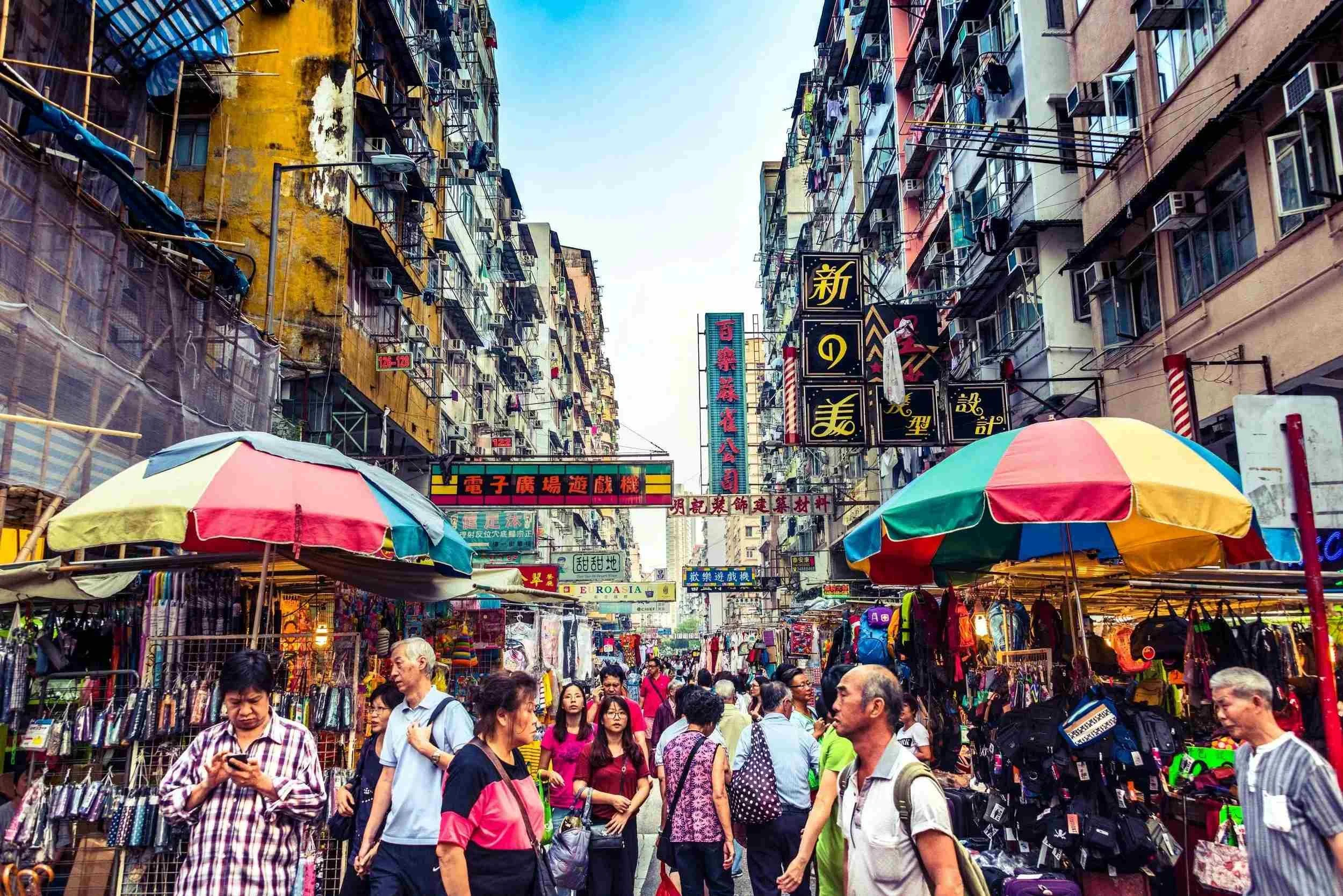
The streets of Mong Kok, Kowloon — one of the best areas to start your Hong Kong food crawl

Photo: Unsplash

If you're adding Kowloon to your Hong Kong to-do list, here's how to think about where to eat.

Mong Kok — Loud, Fast, and Delicious

Mong Kok is one of the most crowded districts on Earth, and the food scene matches the energy. Think curry fish balls on skewers, stinky tofu stalls, and tiny noodle shops squeezed between clothing stores. This is street food territory — cheap, fast, and full of flavour. It's a great area to just wander and follow your nose.

Yau Ma Tei — Old Hong Kong Charm

Right next to Mong Kok, Yau Ma Tei feels a step back in time. Wet markets, temple street stalls, and old-school cha chaan tengs (Hong Kong-style diners) that have barely changed their menus in decades. It's a good spot for travelers who want a more local, unpolished experience rather than a touristy one.

Sham Shui Po — For the Real Foodies

Sham Shui Po is one of Hong Kong's older, more working-class neighbourhoods, and it has quietly become a favourite for food lovers chasing authenticity. Think congee shops that have been open since the 1960s, hidden bakeries, and some of the cheapest — and best — roast meat rice you'll find in the city.

Tsim Sha Tsui — Convenient and Varied

If you're staying near the harbour, Tsim Sha Tsui gives you everything from dim sum restaurants to Michelin-recommended noodle shops, plus easy access to the Avenue of Stars for that classic skyline view after your meal.

How to Choose

A simple rule of thumb: if you want quick, cheap, and chaotic — go Mong Kok or Yau Ma Tei. If you want a slower, deeper dive into local food culture — Sham Shui Po. If convenience and comfort matter most — Tsim Sha Tsui.

Honestly, the best way to experience Kowloon's food scene isn't picking just one area — it's connecting the dots between them, with someone who already knows which stall is worth the wait. That's exactly what our Kowloon Food Tour is designed to do.

Hello Hong KongHello! Tours
First Time in Hong Kong? Don't Miss These 5 Foods

Landing in Hong Kong for the first time can feel a little overwhelming. The city moves fast, the menus are long, and everyone around you seems to already know exactly what to order. So before you even start building your Hong Kong to-do list, let's talk about the food — because in Hong Kong, eating well is half the trip.

Here are 5 dishes we think every first-timer should try.

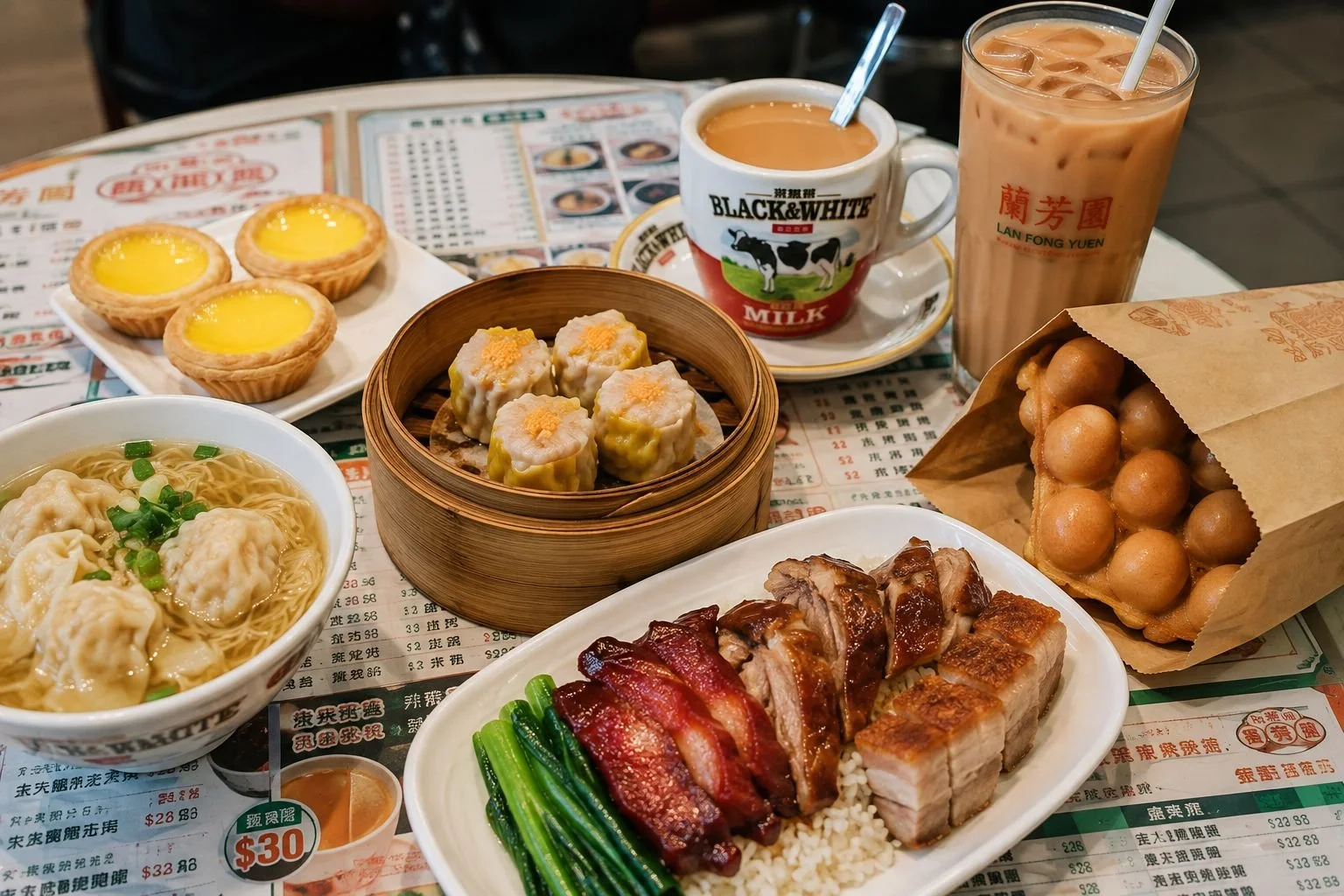
AI-generated Hong Kong food spread with dim sum and local favourites

1. Dim Sum

Dim sum isn't just a meal, it's a whole tradition. Small steamer baskets and plates arrive one after another, meant to be shared around the table. Classics like har gow (shrimp dumplings), siu mai (pork dumplings), and char siu bao (BBQ pork buns) go all the way back to old teahouse culture in southern China, where people would gather to "yum cha" — drink tea and chat for hours. Expect a noisy, cheerful room and trolleys or order sheets depending on where you go.

2. Wonton Noodles

This is comfort food, Hong Kong style. Thin egg noodles, a light broth, and a few plump shrimp-and-pork wontons — simple, but locals are fiercely loyal to their favourite shops. Many family-run noodle stalls have been perfecting the same recipe for generations, so don't be surprised if the shop looks tiny and old. That's usually a good sign.

3. Egg Waffles (Gai Daan Jai)

You'll smell these before you see them. Egg waffles are a street snack made from a light, eggy batter cooked in a special honeycomb-shaped mould, giving you crispy edges and a soft, custardy centre. They started as an affordable treat decades ago and are now a nostalgic favourite — perfect eaten warm, straight from the vendor.

4. Roast Meats (Siu Mei)

Walk past any good cha chaan teng or roast meat shop and you'll see glossy roast duck, char siu, and crispy pork belly hanging in the window. This is Cantonese roasting at its best — slow-cooked, well seasoned, and usually served over rice. It's one of the easiest ways to eat like a local without needing to speak Cantonese; just point at what looks good.

5. Milk Tea (HK-Style Milk Tea)

No Hong Kong food list is complete without a cup of Hong Kong-style milk tea, sometimes affectionately called "pantyhose milk tea" because of the cloth strainer used to make it silky smooth. Try it hot or iced, and if you want something extra local, order a yuenyeung — a mix of coffee and milk tea that somehow works perfectly.

Hong Kong by Ferry: Islands, Harbours and Coastal Escapes

Hong Kong is renowned as a bustling, neon-lit jungle of skyscrapers, but look closer at a map and you'll see that the region is actually an archipelago of over 260 islands. To truly understand the soul of this territory, you have to leave the MTR behind, step onto a ferry, and explore Hong Kong’s lesser-known sights.

The ferry ride is a quintessential Hong Kong experience. The legendary Star Ferry has been shuttling passengers between Kowloon and Hong Kong Island since 1888. More than just a transit route, it is a living piece of history. The green-and-white double-deckers, with their reversible wooden seats, provide a perspective on the skyline that no observation deck can match.

From this iconic crossing to the high-speed catamarans and rustic kaito boats serving the Outlying Islands, the water is the city's most scenic highway. To make the most of these maritime adventures, it helps to find the right base in Hong Kong that allows easy access to the Central and Wan Chai ferry piers, setting you up for a series of unforgettable coastal escapes.

Let’s take a closer look at the unmissable islands, harbours, and coastal destinations that you can explore via Hong Kong’s ferries.

Cheung Chau: Tradition, Temples, and Tropical Vibes

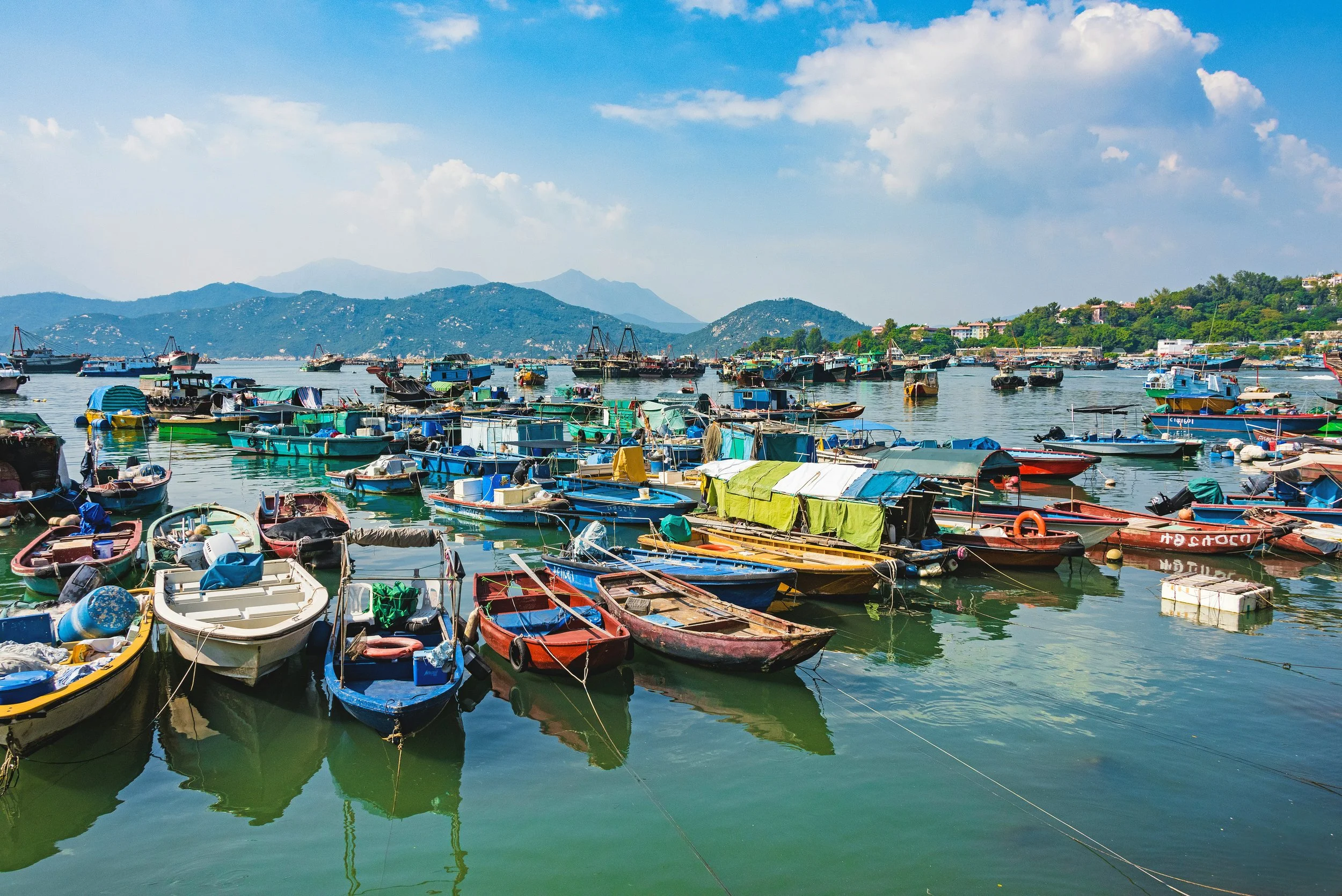
Cheung Chau, Photo by Paulo Evangelista on Unsplash

Cheung Chau is perhaps the quintessential Hong Kong island getaway. Shaped like a dumbbell, this small island is famous for its lack of private cars, its vibrant fishing community, and its annual Bun Festival.

The hour-long Sun Ferry journey to Cheung Chau from Central Pier 5 is part of the charm. Although a fast service is available, choosing the "Ordinary Ferry" allows you to sit on the open deck and watch the container ships navigate the busy shipping lanes. The breeze provides a welcome relief from the city's humidity.

As you step off the ferry, you are immediately greeted by the sight of hundreds of fishing trawlers bobbing in the harbour and the smell of drying seafood wafting through the air. The island's dumbbell shape dictates its navigation: the narrow stretch in the middle is where the bustle lives, packed with shops and restaurants, while the two larger ends offer rugged trails and quiet residential areas.

During the famous Bun Festival, usually held in May, the island transforms into a sea of colour and sound. The festival is a spectacular display of local Taoist culture, featuring a colorful parade in which participants appear to float above the crowd and a dramatic bun-snatching competition, where athletes climb towers covered in lucky buns to ensure prosperity for the community.

Even outside of the festival, walking through the narrow, winding alleys of Cheung Chau’s central village is a sensory delight. You can sample the island's famous oversized fishballs, mango mochi, and fresh-off-the-boat seafood at the waterfront restaurants.

When you want a break from the busy center, Tung Wan and Kwun Yam Wan beaches offer golden sands and clear waters, perfect for a mid-afternoon swim or windsurfing session.

If you want to spend more than a few hours soaking in the atmosphere, there are plenty of accommodation options in Cheung Chau. Spending a night or two here gives you the chance to catch the sunset over the harbour after the day-trippers have departed.

Lantau Island: Nature's Majesty and Cultural Landmarks

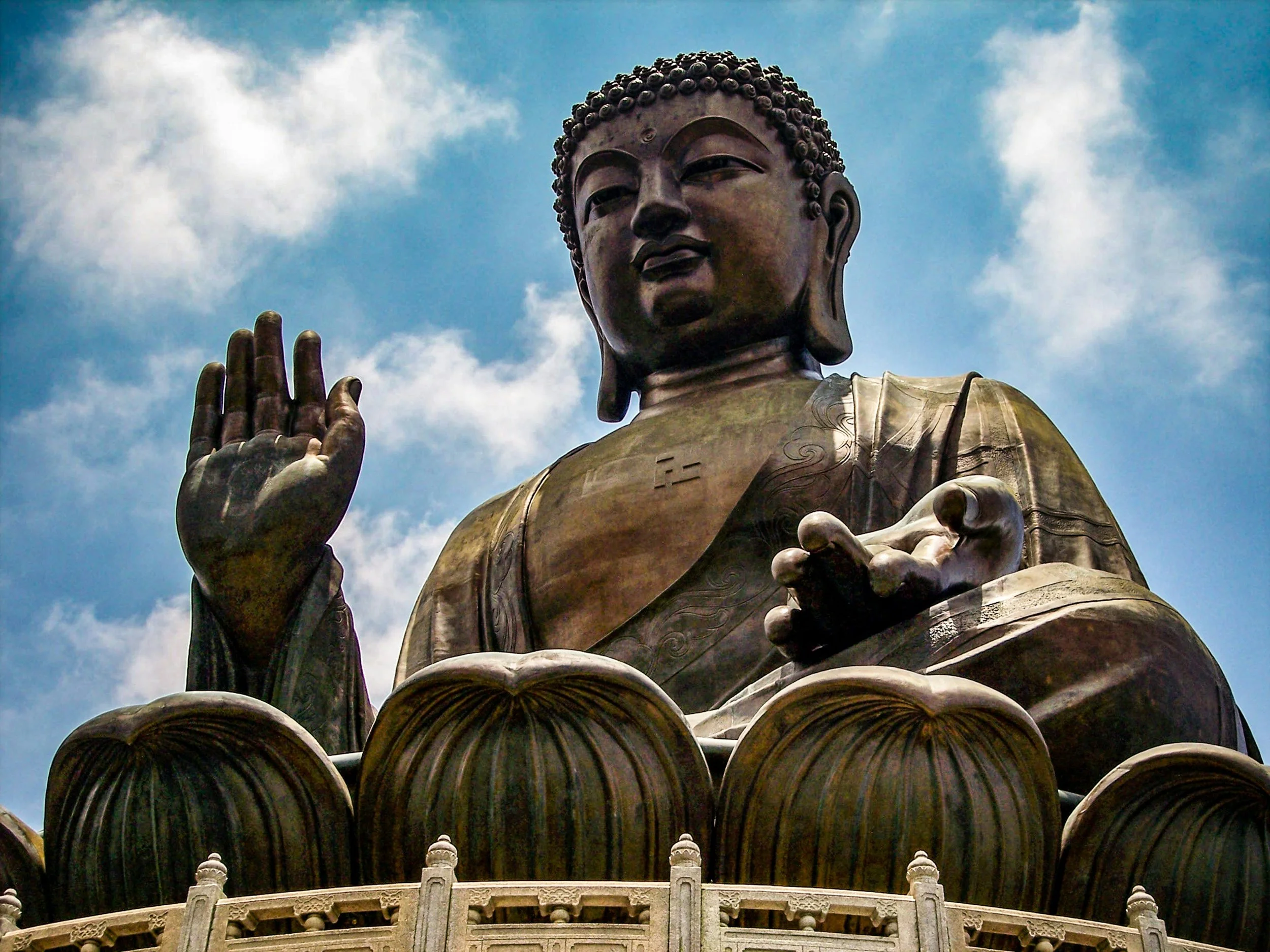
Lantau Island, Photo by Joshua J. Cotten on Unsplash

Lantau is the largest of Hong Kong's islands and offers a scale of nature that surprises first-time visitors. While many know it for the airport or Disneyland, the southern and western reaches of the island are dominated by the Lantau South Country Park, home to mist-shrouded peaks and secluded beaches like Pui O and Cheung Sha.

The most rewarding way to see the island's diversity is to follow the route from Mui Wo to Tai O. Start by taking the ferry to Mui Wo, where you can enjoy a relatively quiet town before heading toward the Ngong Ping plateau via cable car.

Here, the Tian Tan Buddha (Big Buddha) sits majestically atop 268 steps. The experience of the Big Buddha is one of scale and serenity, especially if you arrive early to beat the crowds.

After visiting the colourful Po Lin Monastery, the contrast between the tourist-heavy plateau and the nearby trails is stark. Just a short walk away lies the Wisdom Path, a quiet installation of wooden pillars featuring the Heart Sutra, offering a peaceful moment of reflection.

From Ngong Ping, a 20-minute bus ride leads to the true coastal gem of Lantau, Tai O. This ancient fishing village is famous for its houses built on stilts over the water, earning it the nickname the “Venice of Hong Kong." Taking a boat trip here often rewards visitors with a sighting of the rare Chinese pink dolphins (Indo-Pacific humpbacks).

Whether you are seeking the spiritual quiet of the monastery or the rugged challenge of Sunset Peak, Lantau reveals a mountainous wilderness that feels worlds away from the financial district. Staying on Lantau Island overnight can give you more time to appreciate its spiritual atmosphere.

Lamma Island: The Bohemian Retreat

Lamma Island, Photo by Burak Ceviz on Unsplash

Lamma Island has long been the refuge of artists, expats, and those seeking a bohemian lifestyle. With no cars and a strictly enforced building height limit, it maintains a laid-back charm that is hard to find in Hong Kong’s Central District.

For those who value a quiet morning coffee overlooking a sleepy bay, the vacation rentals on Lamma Island offer the perfect antidote to the city's frantic energy.

The island has two main ferry piers, and the choice between them defines your initial experience. Yung Shue Wan in the north is the heart of the social and expat scene, while Sok Kwu Wan in the south is more traditional and food-focused.

The best way to experience Lamma is to take the ferry to one pier and walk the Lamma Island Family Trail to the other. This paved 3-mile path is the island's lifeline, winding through traditional villages, past organic farms, and offering panoramic coastal views from hilltop pavilions.

Yung Shue Wan is filled with craft shops, international cafes, and cozy bars where the bohemian expat community gathers for sunset drinks. Spend a while exploring before heading off on the Family Trail. Along the walk, you'll see the famous Kamikaze Caves, where Japanese forces hid speedboats during WWII, adding a layer of history to the natural beauty.

On the other end of the trail, Sok Kwu Wan is a dedicated seafood destination, where rows of restaurants serve chili crab and steamed garoupa right over the water. The contrast between the craft-beer-and-coffee vibe of the north and the traditional-seafood-extravaganza of the south makes for a perfect day out.

Sai Kung: The Back Garden of Hong Kong

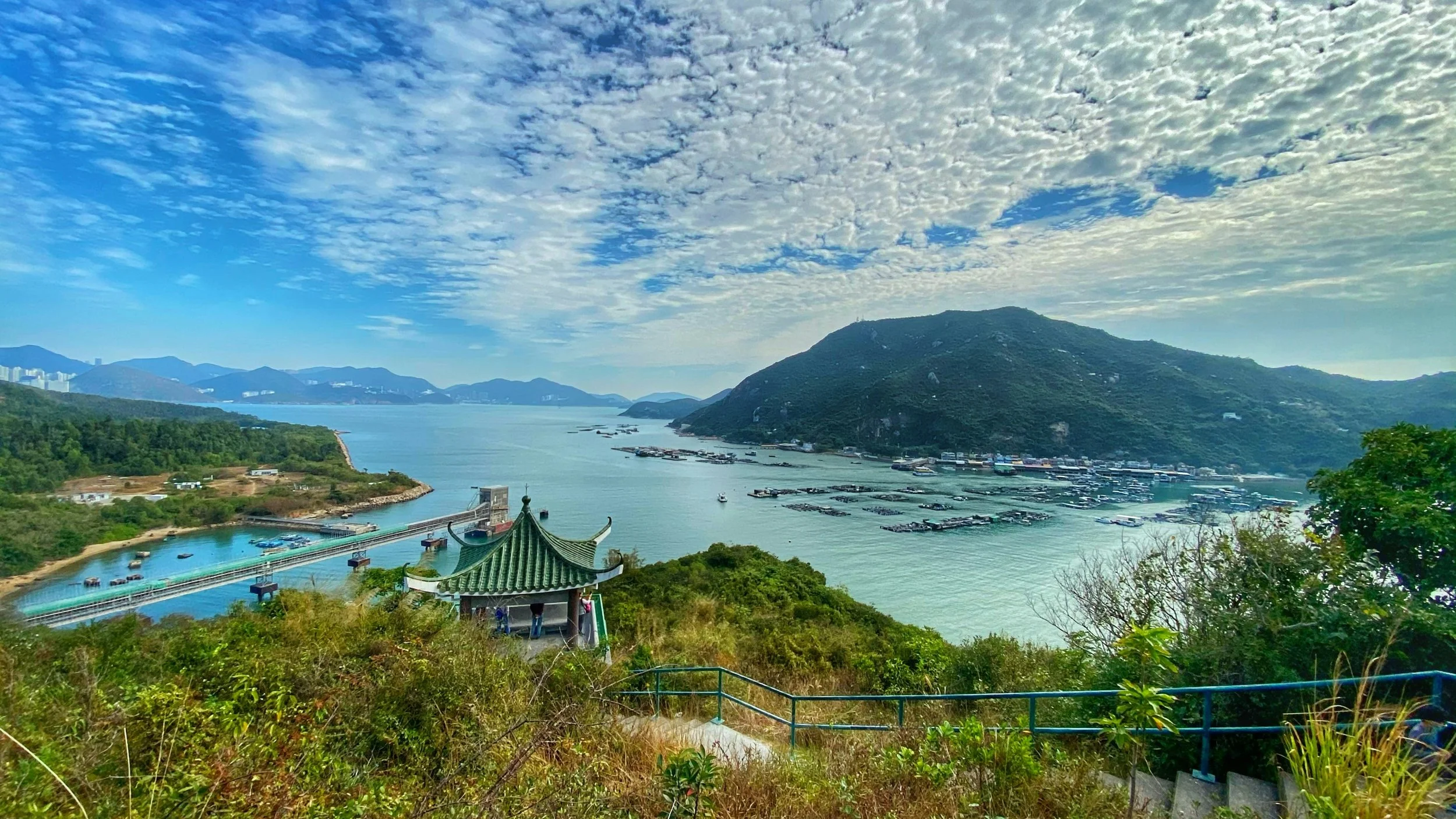
Sai Kung, Photo by Clars Puk on Unsplash

While not an island itself, the Sai Kung Peninsula is the gateway to some of the most spectacular coastal scenery in the region. Known as the “back garden” of Hong Kong, this area is a haven for hikers, divers, and beach lovers.

For the adventurous traveler, a short stay in Sai Kung offers everything from kayaking through mangroves to high-octane speedboating across the eastern bays. If you’re looking to explore Hong Kong’s natural wonders, this is the place to be.

The town of Sai Kung is a bustling hub known for Seafood Street, a block of restaurants specializing in local seafood. Here, you can pick your dinner from massive glass tanks on the pier.

The real magic happens when you hire a sampan, a small traditional wooden boat, to the remote beaches of Tai Long Wan. Many sampan operators line the waterfront with signs showing their destinations; simply point, agree on a price (usually paid in cash), and ask for the return time.

Tai Long Wan’s four stretches of white sand and turquoise water offer a true taste of paradise. Tai Wan and Tung Wan are the most secluded and natural, whereas Sai Wan and Ham Tin Wan have basic facilities like restaurants, cafes, and surfboard rentals.

You can also visit Sharp Island (Kiu Tsui Chau), famous for its natural tombolo (levee) that appears at low tide, or explore the volcanic rock formations of the UNESCO Global Geopark. The Geopark is a geological marvel, featuring hexagonal rock columns formed 140 million years ago, and it’s best viewed from the water.

The Magic of the Harbour

Even if you don't have a full day to spare for an island excursion, the simple act of taking a ferry across Hong Kong’s Victoria Harbour at sunset is one of the world's great travel experiences. As the lights of the Central skyline begin to twinkle and the red sails of the Duk Ling junk boat pass by, you realize that Hong Kong is, and always has been, a city of the sea.

By using the ferry network to explore these coastal escapes, you aren't just seeing the sights; you're experiencing the very element that made Hong Kong what it is today. The water provides the space to breathe, the perspective to appreciate the urban density, and the means to properly explore the archipelago that remains the city's true heart.

Kowloon Food Tour Hong Kong | Small Group Street Food Experience

When the sun sets and the humidity begins to fade, Hong Kong comes alive. Join us on an unforgettable late afternoon tour of Kowloon — affectionately known as the "Dark Side" of Hong Kong — and experience the city at its most captivating.

Over the course of this 4-hour small group tour, you'll explore three unique districts, savour Michelin-rated street food, and immerse yourself in the kind of local culture that most visitors never get close to. Tours run on Mondays, Wednesdays, and Fridays, starting at 3:30 PM at Sham Shui Po MTR station.

Where the Tour Takes You

The tour weaves through three of Kowloon's most character-rich districts — Sham Shui Po, Mong Kok, and Yau Ma Tei — each one distinct, each one worth exploring slowly.

In Sham Shui Po, you'll wander through Ap Liu Street Market, one of Hong Kong's most eclectic flea markets where electronics, vintage oddities, and local life collide. Nearby, the Third Prince Temple offers a quiet contrast — incense curling upward while the market buzz carries in from outside. Pak Ho Street and the old Municipal Service Building round out the neighbourhood, giving you a feel for the everyday rhythms that define this part of the city.

Mong Kok is sensory overload in the best way. The famous Goldfish Market is one of those only-in-Hong Kong experiences — walls of tanks, bursts of colour, and locals shopping for good luck. Fa Yuen Street adds another layer to the neighbourhood's layered personality, lined with shops that draw both locals and visitors in equal measure.

Yau Ma Tei brings you to the Fruit Market, one of the oldest wholesale markets in Hong Kong, and to Temple Street — best known for its night market energy, fortune tellers, and old-school Cantonese opera that drifts out of doorways as the evening settles in.

What You'll Eat 

Food stops are spread throughout the tour, and part of the fun is discovering what comes next. Here's a taste of what to expect — though we'll let the actual places speak for themselves when you get there.

As the afternoon light shifts over Kowloon, the tour gets started with something that sounds simple but stops you in your tracks: egg and beef on toast, done the Hong Kong cha chaan teng way — crispy, savoury, and paired with an iced drink that's become a signature of the city's street food culture. French toast also makes an appearance, and not the brunch version you're used to.

Then things get interesting. Snake soup is one of those dishes that defines old Hong Kong — warming, deeply savoury, and rooted in a food tradition that goes back generations. It's paired with a tasting of snake wine, which is exactly what it sounds like. This stop tends to be the one people talk about for weeks.

From there, the tour moves to pan-fried dumplings stuffed with Chinese chives — blistered on the outside, soft within — alongside turnip cake that manages to be crisp and silky at the same time. These are the kinds of snacks Hongkongers eat without ceremony, which is exactly why they taste so good.

As evening approaches, roasted goose takes centre stage. A goose leg from the right place — crisp skin, mahogany-lacquered, served simply — is something that will recalibrate your idea of what roast poultry can be. It pairs exceptionally well with a cold beer as the city begins to light up around you.

Two of the tour's food stops carry Michelin recognition. One is known for its wontons and beef brisket noodles — the kind of bowl where the broth does the heavy lifting — alongside blanched greens that somehow tie everything together. The other is a traditional bakery producing walnut biscuits and red bean glutinous rice cake that have earned their reputation without ever needing to advertise it.

Between stops, a heritage provisions shop offers a chance to pick up vinegar-sweetened condiments, old-fashioned sweets and candies, and the kind of preserved ginger that Hongkongers have been buying as gifts for decades.

The tour winds down on a fresh note with seasonal Hong Kong fruit — lychee and mangosteen when in season — at the famous Yau Ma Tei Fruit Market. After a day of big flavours, it's the kind of ending that feels just right.

A Note on Dietary Requirements

The Kowloon Small Group Tour covers a wide variety of foods across multiple stops, and the menu is largely set. If you have common dietary preferences or mild restrictions, it's worth discussing them with us in advance — but for greater flexibility and a fully tailored experience, we recommend our Private Customised Kowloon Tour, where the itinerary can be shaped around your needs.

If you have a very specific or life-threatening dietary condition — severe allergies, for example — we strongly suggest our noon food-based private tour, which gives us the ability to carefully customise every food stop with your requirements fully in mind. Your safety always comes first, and we'd rather build the right tour for you than have you miss out on the experience.

To discuss your options, reach out to us via WhatsApp — our guides and team are happy to help you find the best fit.

Why Small Group?

There's something about moving through a neighbourhood in a small group that just works. You're not a crowd — you're curious people eating together. It's easier to slip into a narrow dai pai dong, easier to have a conversation with a shopkeeper, easier to be present in a place rather than just passing through it.

Kowloon at dusk is a place that opens up slowly. This tour is designed to help it open up to you.


Hong Kong To-Do List: Beat the Summer Heat in August
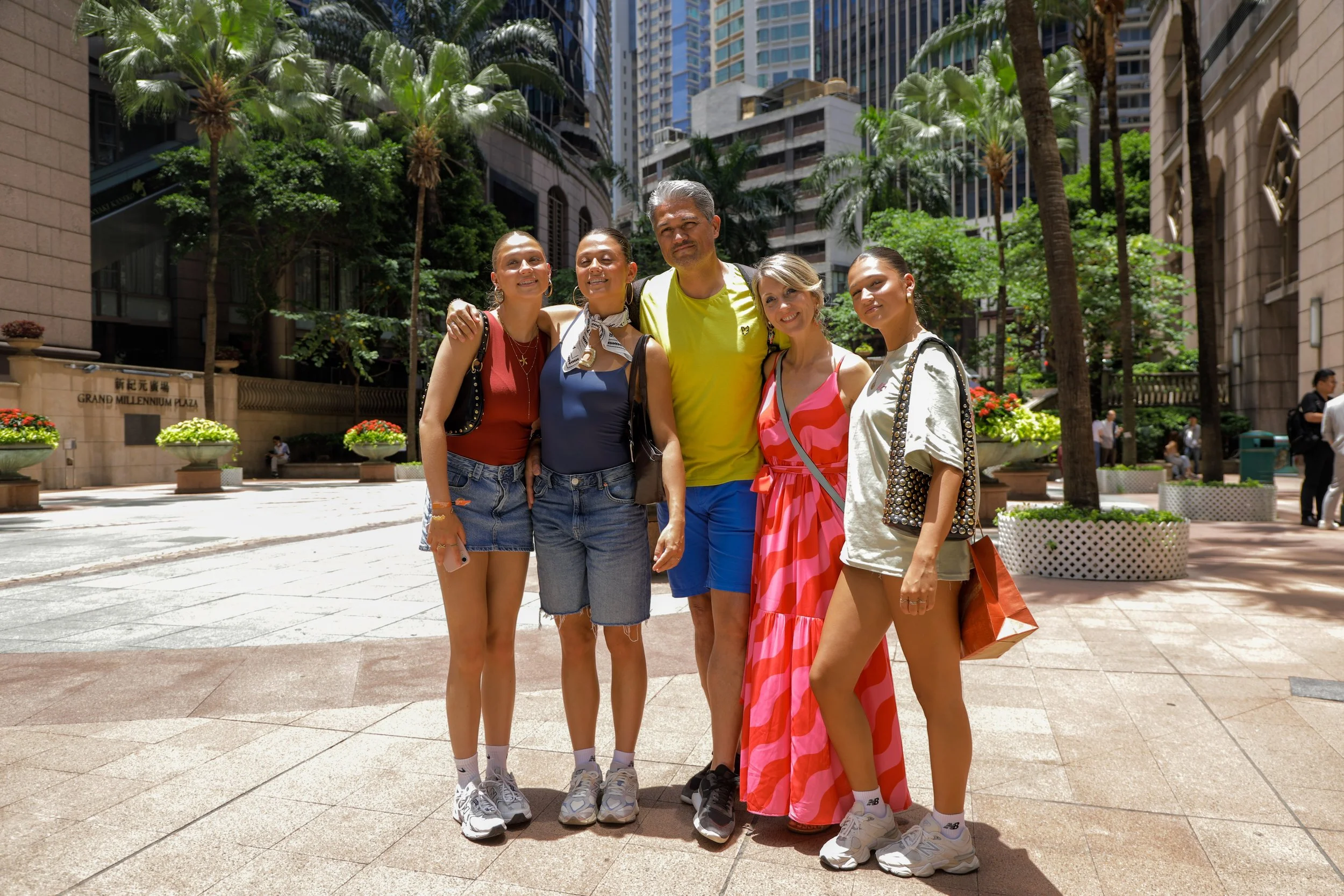
Family in summer outfits posing at Grand Millennium Plaza in Central Hong Kong on a bright sunny day, surrounded by skyscrapers and palm trees

Exploring the streets of Central Hong Kong on a Private Customised Walking Tour — sun, skyscrapers, and good company. This is what a perfect summer day in Hong Kong looks like.

Your Hong Kong To-Do List for Summer Travel

Visitors often ask us the same question before arriving in Hong Kong during August:

"Is it too hot to explore?"

The honest answer is that August is one of the hottest months of the year. Step outside for the first time and you'll immediately notice the warmth in the air. The humidity can make a short walk feel much longer than it actually is, and afternoon sunshine can be intense.

Yet every day, millions of Hong Kong residents continue with their routines. Office workers walk to lunch, families spend time outdoors, and local guides lead tours across the city.

The difference is not that locals are immune to the weather. They simply understand how to work with it rather than fight against it.

If Hong Kong is on your travel plans this summer, here are some of the habits locals follow to make the most of the season.

The City Belongs to Early Risers

One of the first things visitors notice is how active Hong Kong can be in the morning.

Long before the shopping districts become busy and before the midday heat reaches its peak, residents are already exercising in parks, meeting friends for breakfast, or shopping at local markets.

For travellers, this is one of the best times to explore.

The streets feel calmer, queues are shorter, and outdoor attractions are much more comfortable. A walk through Central, a visit to Victoria Peak, or a stroll along the harbour can feel completely different at 8:00 am compared to the middle of the afternoon.

Many experienced guides plan outdoor sightseeing during the first half of the day. It is a simple adjustment that can make a huge difference to your overall experience.

Learning to Love Hong Kong's Indoor Spaces

Hong Kong has mastered the art of staying cool.

Unlike some destinations where indoor attractions are limited, Hong Kong offers countless ways to continue exploring while escaping the heat.

A typical local afternoon might involve moving between shopping centres, cafés, museums, restaurants, and covered walkways. In many parts of the city, you can travel surprisingly far without spending much time under direct sunlight.

This is one reason visitors often underestimate how much there is to see indoors.

Spend a few hours exploring a museum, discover hidden cafés tucked between skyscrapers, or simply wander through neighbourhoods connected by air-conditioned malls and covered passages.

Even the famous Central-Mid-Levels Escalator provides a more comfortable way to explore the city's hillside communities while avoiding steep climbs.

Rather than viewing indoor stops as a break from sightseeing, think of them as part of the Hong Kong experience itself.

Summer Is the Best Time to Eat Like a Local

Every destination has foods associated with certain seasons, and Hong Kong is no exception.

During August, locals often turn to refreshing drinks and light desserts when temperatures climb.

You will see friends sharing bowls of chilled sweet soups after dinner and families stopping for cold treats during shopping trips.

One dessert worth trying is mango sago, a refreshing combination of fruit, milk, and soft sago pearls that has become a favourite throughout the city.

Traditional tong sui desserts are another local favourite. Some recipes have been enjoyed for generations and remain a familiar comfort during the warmer months.

If you visit a traditional cha chaan teng, consider ordering an iced yuenyeung. Combining coffee and milk tea in a single drink, it is one of Hong Kong's most distinctive beverages and a favourite among locals looking for an afternoon energy boost.

For visitors seeking authentic experiences, these simple food stops often become some of the most memorable moments of a trip.

Why Evenings Are Special in Hong Kong

As the sun begins to set, the city undergoes a noticeable change.

The harsh afternoon heat starts to fade, people return outdoors, and the energy of Hong Kong shifts once again.

This is when many locals choose to take evening walks, meet friends, or enjoy dinner with a view.

The waterfront areas become particularly attractive at this time of day. The skyline begins to light up, ferries continue crossing the harbour, and the city takes on a completely different atmosphere from the daytime.

Walking along the Tsim Sha Tsui waterfront during the evening is one of the simplest yet most rewarding experiences for first-time visitors.

Others prefer spending time in Kowloon, where bustling streets, local food stalls, and lively night markets create an atmosphere that feels uniquely Hong Kong.

If your schedule allows, try leaving some free time after sunset rather than packing all your sightseeing into daylight hours.

Many travellers discover that their favourite memories are made after dark.

Rain Is Part of the Story

August weather can be unpredictable.

Bright sunshine can suddenly give way to dark clouds and heavy rain. For newcomers, these downpours may seem dramatic, but locals rarely panic.

Most showers pass relatively quickly, and daily life continues as normal.

This is why you'll often see residents carrying a compact umbrella even when the forecast looks clear.

Instead of treating rain as a disruption, many Hongkongers simply adapt. A sudden shower becomes an opportunity to enjoy an extra coffee, browse a nearby shop, or spend a little more time inside a restaurant.

Travellers who adopt the same flexible attitude often find that bad weather has far less impact on their holiday than expected.

Exploring Hong Kong with a Local Guide

Summer is one of the times when local knowledge becomes particularly valuable.

Experienced guides understand which attractions work best at different times of the day and how to balance outdoor exploration with comfortable indoor stops.

This can be especially helpful for families travelling with children or visitors who prefer a more relaxed pace.

Private tours offer additional flexibility because plans can be adjusted depending on the weather, energy levels, and personal interests.

Some travellers also choose a private car tour during August, allowing them to move comfortably between neighbourhoods while still seeing a wide range of attractions throughout the day.

Your Hong Kong To-Do List for August

If there is one lesson to learn from locals, it is this: do not let the weather decide whether you enjoy Hong Kong.

Start your day early. Take advantage of the city's indoor attractions. Enjoy local summer desserts. Keep an umbrella nearby. Save time for the evening when the city comes alive once again.

Hong Kong in August may be warm, humid, and occasionally rainy, but it remains one of Asia's most exciting urban destinations.

Once you adjust to the local rhythm, you may discover that summer reveals a side of Hong Kong that many visitors never experience.